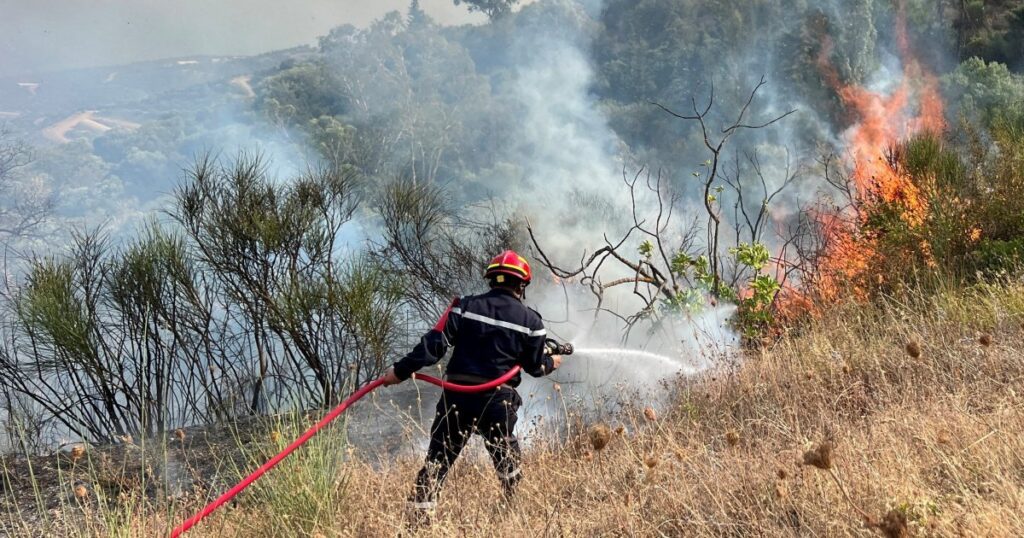
A devastating series of wildfires has swept through northeastern Algeria, resulting in at least 12 fatalities and 54 injuries. The intense blazes, fueled by a severe heatwave gripping the region, have left communities in distress and overwhelmed emergency response teams.
On a single day, Algeria faced an alarming outbreak of 154 wildfires, indicating the extreme weather conditions and the vulnerability of the area to such natural disasters. The northeastern region, known for its dense forests and mountainous terrain, bore the brunt of the fires, which rapidly spread due to high temperatures, dry conditions, and strong winds.
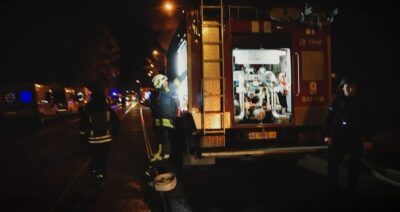
Authorities have reported that six individuals remain in critical condition as hospitals work tirelessly to provide care for those affected. Emergency services have been deployed extensively, with firefighters battling the fires across multiple fronts to contain the damage and prevent further loss of life.
The government has urged residents to exercise caution and adhere to safety protocols as the heatwave persists. Efforts are also underway to assess the full extent of the damage, including loss of property, ecological impact, and displacement of residents.
Experts warn that climate change and rising global temperatures are contributing factors to the increasing frequency and intensity of wildfires worldwide, including Algeria. The current tragedy highlights the urgent need for improved disaster preparedness, early warning systems, and community education to mitigate such catastrophic events in the future.
Local and international aid organizations are mobilizing resources to support relief operations, providing medical supplies, shelter, and food for those displaced by the fires. Collaborative efforts between government bodies and NGOs aim to facilitate recovery and reconstruction in the affected areas.
Residents recount harrowing experiences as they flee rapidly advancing flames, underscoring the need for effective evacuation plans and communication channels during emergencies.
In light of this disaster, Algerian officials have called for increased investment in firefighting infrastructure and better coordination among emergency services to enhance response capabilities.
The wildfires serve as a stark reminder of the environmental and human costs of extreme weather phenomena. As firefighting efforts continue, the region remains on high alert, hoping for relief with cooler weather and potential rainfall in the coming days.
Authorities continue to monitor the situation closely, with weather forecasts being critical in directing firefighting strategies and resource allocation.
Community support networks have emerged as vital lifelines, assisting vulnerable populations and coordinating aid in the aftermath of the fires. This tragic event underscores the resilience of affected communities and the importance of solidarity in times of crisis.
Overall, Algeria faces a challenging recovery period as it deals with the immediate consequences of the wildfires and prepares for future environmental challenges heightened by changing climate patterns.