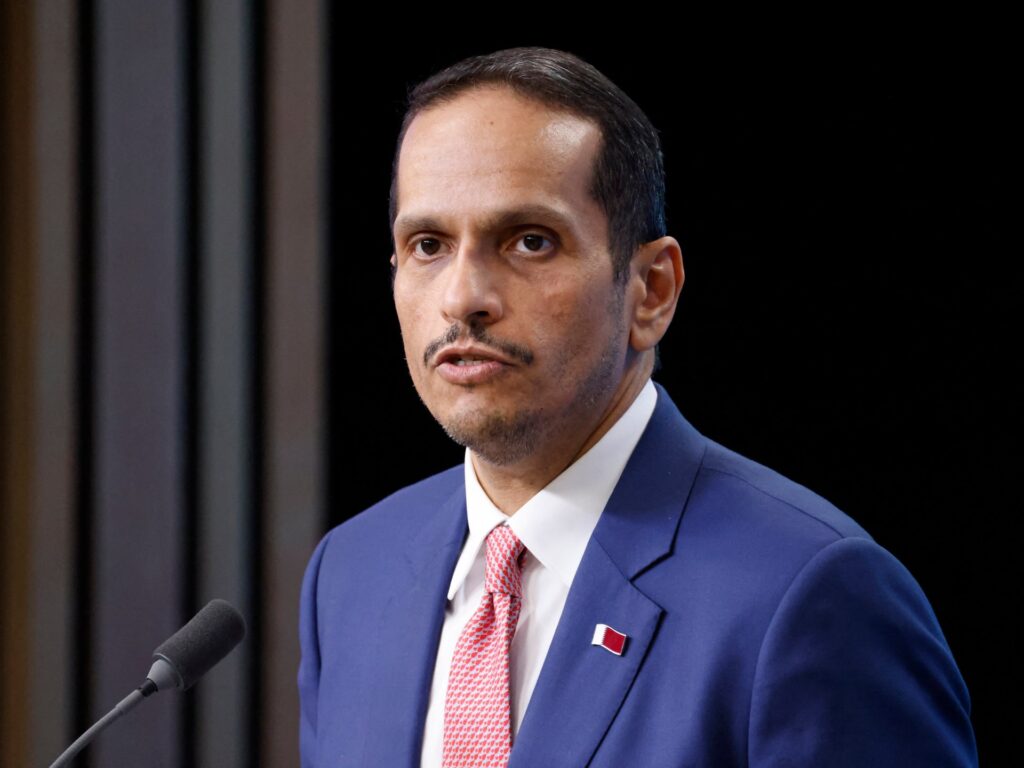
In a significant diplomatic move aimed at reducing tensions in the Middle East, Qatar’s Prime Minister is scheduled to visit Tehran for high-level discussions with Iranian officials. The visit comes amid escalating conflict dynamics in the region, with the goal to explore avenues for de-escalation and dialogue.
The Qatari foreign ministry confirmed that the Prime Minister’s agenda will focus on fostering communication and potential conflict resolution pathways between regional actors. This step highlights Qatar’s role as a mediator given its strategic relations with various parties involved in Middle Eastern affairs.
Meanwhile, in the United States, former President Donald Trump has conveyed a cautious stance regarding immediate negotiations concerning the conflict. Trump stated he is ‘not in a hurry’ to engage in talks, signaling a more measured approach or possible reservations about the timing and conditions under which discussions should proceed.
The developments come as international efforts intensify to prevent further deterioration of security in the region. The Middle East remains a pivotal area of global strategic interest, with many countries advocating for peaceful solutions amidst ongoing hostilities.
Qatar’s diplomatic engagement with Iran via this high-profile visit is seen by analysts as a crucial attempt to open channels of communication that could lead to reduced military confrontations. Tehran has expressed openness to dialogue, provided that it is based on mutual respect and sovereignty considerations.
Experts note that the success of such diplomatic missions often hinges on the willingness of all parties to compromise and prioritize long-term peace over short-term strategic gains. Regional neighbors and global powers will be watching closely to assess the impact of Qatar’s initiative.
In parallel, the stance of influential international figures, including Donald Trump, may influence the broader geopolitical climate and the feasibility of peaceful negotiations. Trump’s comments might reflect internal political calculations or a strategic position that could affect the US role in future diplomatic efforts.
As the situation evolves, the international community continues to push for dialogue and restraint to avert a widening conflict that could have severe humanitarian and economic consequences across the Middle East and beyond.
This period marks a critical point in Middle Eastern diplomacy, where the actions of mediators and political leaders alike are pivotal to either calming or exacerbating existing tensions. The upcoming talks in Tehran and the broader international responses will likely shape the trajectory of regional stability in the months ahead.