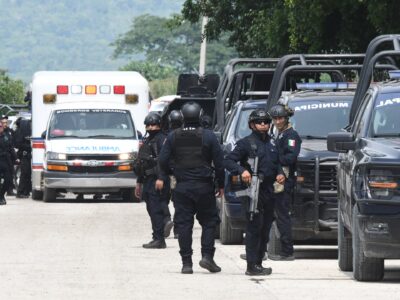
In a recent incident that has sparked concern and controversy, a mother and her daughter were detained by U.S. Immigration and Customs Enforcement (ICE) agents while receiving medical treatment in a hospital after being involved in a car accident. The incident occurred in a local hospital where both mother and daughter were admitted for injuries sustained in the crash, only to be taken into custody by ICE officers during their treatment.
According to reports, the mother and daughter were involved in a moderate car crash that resulted in physical injuries requiring immediate medical attention. Upon their arrival and during their hospital stay, ICE agents were notified and subsequently apprehended the pair. The reason for detention, as stated by ICE, relates to immigration enforcement policies.
The event raises pressing questions about the intersection of immigration enforcement and medical care. Hospitals, as centers for urgent and compassionate treatment, are traditionally considered safe spaces for all patients. However, this incident has brought attention to the complex and often contentious policies surrounding immigration enforcement.
Advocates for immigrant rights have expressed outrage over the situation, emphasizing the potential trauma and health risks for patients when immigration enforcement actions take place in healthcare settings. They argue that such detentions can deter undocumented immigrants from seeking necessary emergency medical care out of fear of deportation or detention.
Legal experts point to concerns about the privacy and protection of patients under laws like the Health Insurance Portability and Accountability Act (HIPAA). They emphasize the need for clear protocols to ensure that patients’ medical information and their right to emergency care are protected from aggressive immigration enforcement tactics.
Health care professionals have also voiced their apprehension. Many stress that hospitals should remain safe zones where all individuals can receive care without the added fear of immigration consequences, highlighting the principle that medical needs should take precedence over immigration status.
The hospital where the incident occurred has yet to release an official statement, but the community and advocacy groups continue to demand transparency and urgent policy reviews to prevent similar situations in the future.
This incident serves as a stark reminder of the ongoing debates about immigration policies in the United States and their real-world implications on vulnerable populations, especially in critical settings like hospitals. It underscores the need for policies that balance law enforcement with compassion and respect for human dignity.
As this story develops, it is expected to ignite further discussions about the appropriate boundaries of immigration enforcement, particularly in sensitive environments such as healthcare facilities, and to push for reforms that protect both public health and immigrant rights.