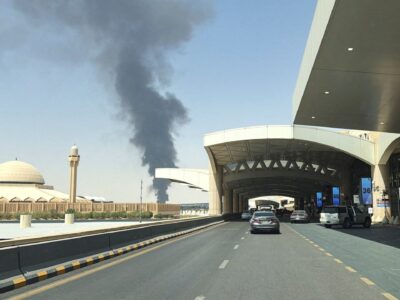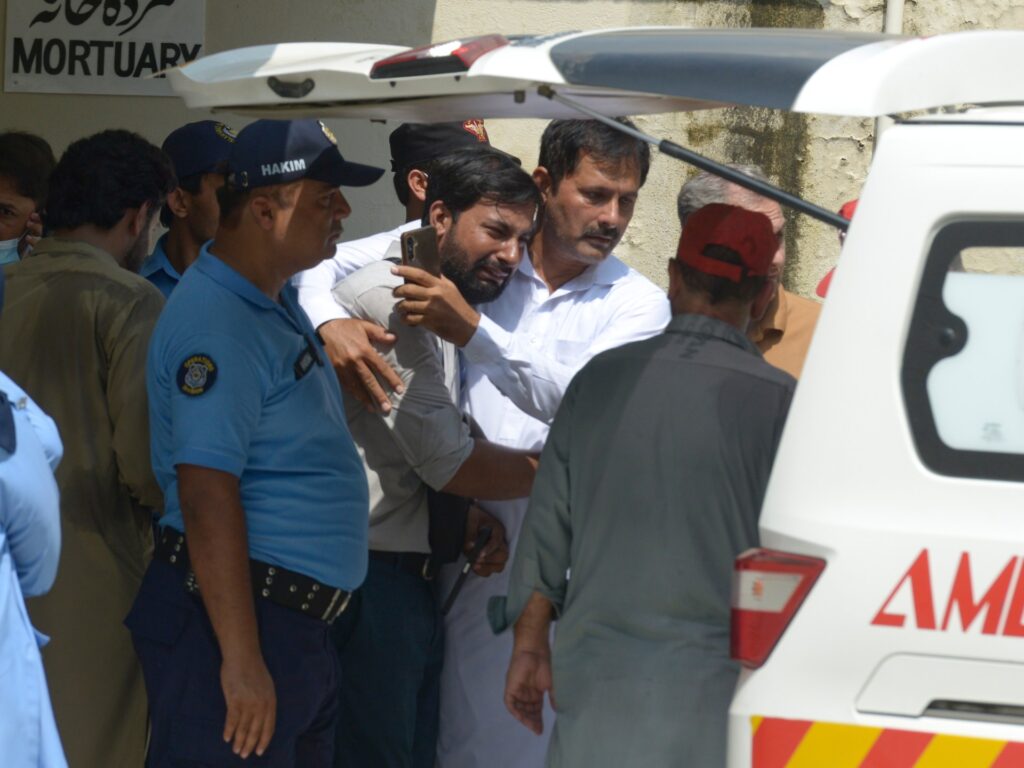
A tragic fire at the Pakistan Institute of Medical Sciences (PIMS) hospital in Islamabad has claimed the lives of 14 newborn infants. The fire erupted in the neonatal intensive care unit (NICU), a place designed to provide critical care to the most vulnerable—premature and seriously ill newborns. This devastating incident has left the nation in shock and mourning, stirring deep grief and anger among families and the public.
The NICU is meant to be the safest part of the hospital, equipped with advanced medical technology and round-the-clock monitoring. However, on this tragic day, the facility became a deathtrap as the fire broke out and spread rapidly. Due to the sensitive condition of the infants and the strict security in the unit, immediate evacuation was severely hampered, resulting in the heartbreaking loss of 14 babies.
Hospital staff and rescue workers responded swiftly to the emergency, but the dense smoke and rapid flames made it nearly impossible to reach the infants in time. Many parents waiting anxiously outside the unit were turned away amid chaos and confusion, exacerbating the anguish. The incident highlighted serious concerns about hospital safety standards and emergency preparedness in critical care units.
Authorities have launched an investigation to determine the cause of the fire and whether negligence or equipment failure contributed. Early reports suggest possible electrical faults, but definitive answers are awaited. Meanwhile, the hospital administration has expressed sorrow and promised to support the affected families and enhance safety measures.
Public reaction has been one of profound sadness and outrage. Citizens and advocacy groups are calling for accountability and reforms in hospital infrastructure. Social media platforms have been flooded with messages of condolence and demands for better protection for vulnerable patients.
This tragedy underscores the urgent need for stringent fire safety protocols and regular drills in healthcare facilities, especially in critical care areas where patients cannot be easily moved. The loss of these newborns is not just a family tragedy, but a national sorrow that calls for immediate action to prevent future catastrophes.
Pakistan’s health system faces numerous challenges, and this incident brings to light the gaps that need urgent address. Improved funding, staff training, and infrastructure upgrades are essential to safeguard lives, particularly those of the most defenseless.
In this hour of grief, the nation stands united in mourning the loss of these precious young lives. The hope remains that through accountability and reform, such a disaster will never repeat. The families of the lost newborns continue to seek justice and solace as they cope with unimaginable heartbreak.