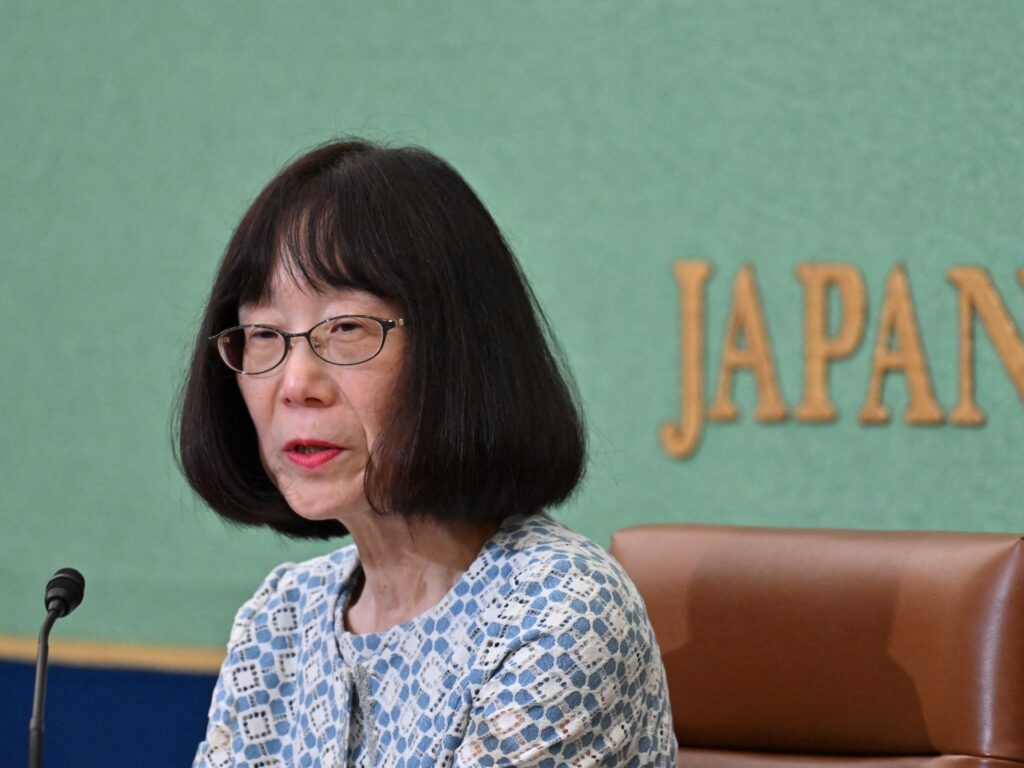
The President of the International Criminal Court (ICC) has issued a call to Japan, urging the nation to resist mounting pressure from the United States concerning the court’s operations. This development follows a significant escalation last week when the US government imposed sanctions on the ICC President and a senior trial lawyer, intensifying the ongoing campaign against the court.
The ICC, established to prosecute individuals for crimes such as genocide, war crimes, and crimes against humanity, has faced long-standing scrutiny from the US, which has expressed concerns over the court’s jurisdiction and potential investigations involving American personnel.
Last week’s sanctions mark a heightened phase of this standoff, targeting senior figures within the ICC leadership. The measures announced by Washington included asset freezes and travel bans, aimed specifically at the court’s president and one of its principal trial lawyers. These sanctions underscore the US administration’s intention to exert pressure on the ICC to limit or halt certain investigations deemed adverse to American interests.
In response, the ICC President has publicly appealed to Japan, a key member of the international community and an ICC signatory, to stand firm against these US pressures. The ICC chief emphasized the importance of international solidarity to protect the court’s independence and ability to deliver justice impartially.
Japan, recognized for its commitment to international law and human rights, holds a strategic position in supporting multilateral institutions like the ICC. The call to Japan reflects broader concerns that US sanctions could undermine the court’s functioning and threaten its role in global justice.
Experts observe that the US’s campaign against the ICC stems partly from fears over potential investigations into alleged war crimes by US military personnel in conflicts such as Afghanistan. The ICC’s pursuit of accountability in such sensitive cases has consistently been a flashpoint in US-ICC relations.
The ICC President’s plea highlights the delicate balance between national sovereignty concerns and the pursuit of international justice. He stressed that cooperation among member states, including influential nations like Japan, remains vital to uphold the ICC’s mandate.
Despite the sanctions, the ICC remains resolute in its mission. The court continues its investigations and prosecutions, asserting the principle that no individual is above the law regardless of their nationality or political power.
The international response to the US sanctions has been mixed, with some states condemning the move as an attempt to undermine judicial independence, while others remain cautious in navigating their diplomatic relations with both Washington and the ICC.
Japan’s potential stance on this issue could influence other countries’ responses and shape the future dynamics of international legal cooperation.
Overall, the ICC chief’s appeal reflects the ongoing tension between powerful states seeking to limit international judicial scrutiny and the global community’s efforts to enforce accountability for the gravest crimes.
This unfolding situation remains pivotal for the future of international law and the effectiveness of institutions designed to uphold human rights and justice worldwide. The court’s ability to function without undue political interference is critical for maintaining legitimacy and public confidence in the international justice system.
Observers will be closely watching Japan’s response and the broader international reaction as the ICC navigates these unprecedented challenges amid increasing geopolitical pressures.