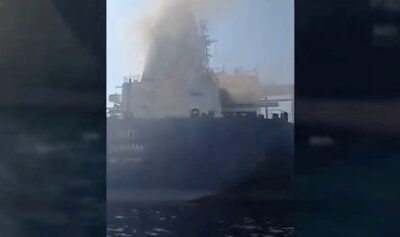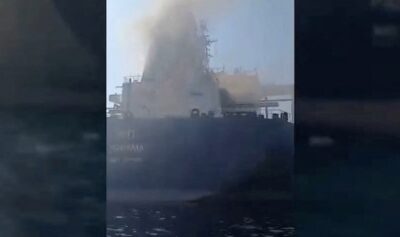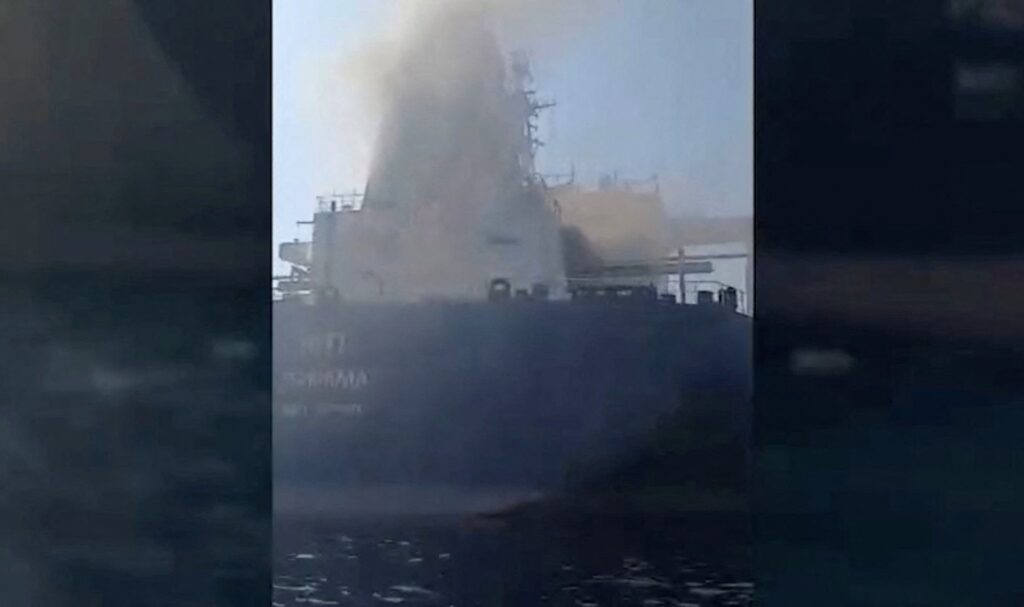
In a rapidly escalating situation in the Middle East, Iran has issued a stern warning of an ‘earth-shattering blow’ amid ongoing conflicts, signaling a new phase of heightened tensions. The Islamic Revolutionary Guard Corps (IRGC) claimed responsibility for targeting four tankers in the strategic Strait of Hormuz, a vital chokepoint for global oil shipments. These developments come as drone strikes hit Riyadh, intensifying the already volatile geopolitical landscape.
The IRGC’s announcement marks a significant escalation, as the Strait of Hormuz is a critical artery through which a substantial portion of the world’s oil exports transit. The attack on four tankers not only disrupts the global oil supply chain but also serves as a message of Iran’s capability and willingness to defend its interests fiercely.
Tehran’s warning of an ‘earth-shattering blow’ underscores the seriousness with which it views its strategic position in the region. This rhetoric is indicative of Iran’s readiness to engage in more aggressive actions should its interests continue to be threatened. The statement has raised alarms internationally, with global powers closely monitoring the situation for any signs of further escalation.
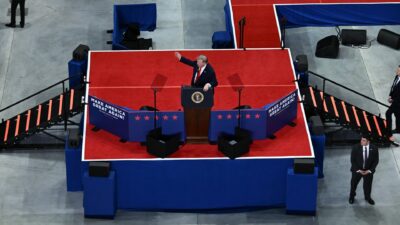
Amid these developments, former U.S. President Donald Trump has made remarks suggesting that any potential conflict with Iran would ‘get wrapped up soon.’ This comment reflects a confident, albeit controversial, perspective on the prospect of war with Iran, adding another layer of complexity to the already tense situation.
The attacks on Riyadh via drone also highlight the expanding scope of conflict beyond direct naval engagements. Saudi Arabia, a key U.S. ally and regional power, has frequently been a focal point in Iran’s regional strategy, often bearing the brunt of proxy conflicts and direct confrontations.
International reactions to these events have been swift, with calls for de-escalation and dialogue. The United Nations and various countries have expressed concern over the potential for a broader conflict that could destabilize the entire Middle East and impact global economic stability.
The situation remains fluid, with the possibility of further military actions and diplomatic maneuvers. Energy markets have responded to the news with increased volatility, reflecting fears of prolonged disruptions in oil supply.
Analysts warn that the combination of aggressive military posturing by Iran and assertive statements from political leaders could lead to miscalculations, increasing the risk of a larger conflict. The international community is watching closely, urging restraint and the pursuit of diplomatic solutions to prevent what some fear could be a devastating war in the region.
As of now, the world stands on edge, awaiting the next moves of Tehran and the responses from Riyadh, Washington, and other key players. The stakes are incredibly high, with the potential repercussions extending far beyond the Middle East, potentially affecting global security and economy.