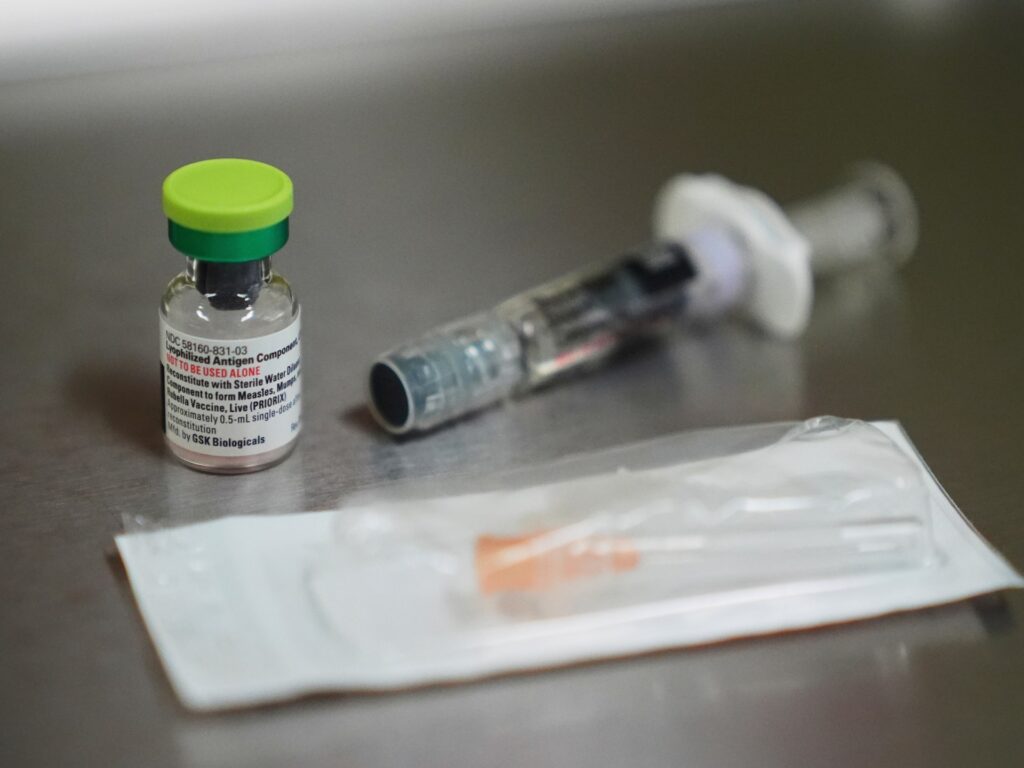
Two unvaccinated individuals in the U.S. state of Pennsylvania have tragically died from measles, prompting renewed concerns among health experts about the dangers posed by declining vaccination rates. Measles, a disease once largely eradicated in the United States due to widespread immunization, has been resurging in pockets where vaccination coverage has dropped.
The recent deaths serve as a grim reminder of the importance of maintaining high vaccination rates to prevent outbreaks of infectious diseases. Health officials stress that measles is highly contagious and can lead to severe complications including pneumonia, encephalitis, and death, particularly among young children, the elderly, and immunocompromised individuals.
Declining vaccination rates have been linked to vaccine hesitancy fueled by misinformation, fear, and complacency, which have allowed the disease to gain a foothold in communities that were previously protected through herd immunity. The Pennsylvania cases underscore the risks when vaccination coverage falls below the threshold needed to prevent transmission.
Experts call for immediate public health interventions to increase vaccine uptake, including community outreach, education campaigns, and making vaccines more accessible. They emphasize that measles vaccines are safe, effective, and pivotal to protecting individual and public health.
The resurgence of measles in Pennsylvania is part of a broader pattern seen across parts of the United States and globally, where setbacks in vaccination efforts threaten to reverse decades of progress in controlling vaccine-preventable diseases.
Health departments urge parents and guardians to ensure that children receive all recommended vaccines on schedule and encourage eligible adults to keep their vaccinations current. By doing so, communities can protect the most vulnerable and prevent further unnecessary tragedies.
The incident serves as a call to action for policymakers, healthcare providers, and communities to work together to combat vaccine hesitancy, reinforce the importance of vaccination, and safeguard public health against preventable diseases like measles.