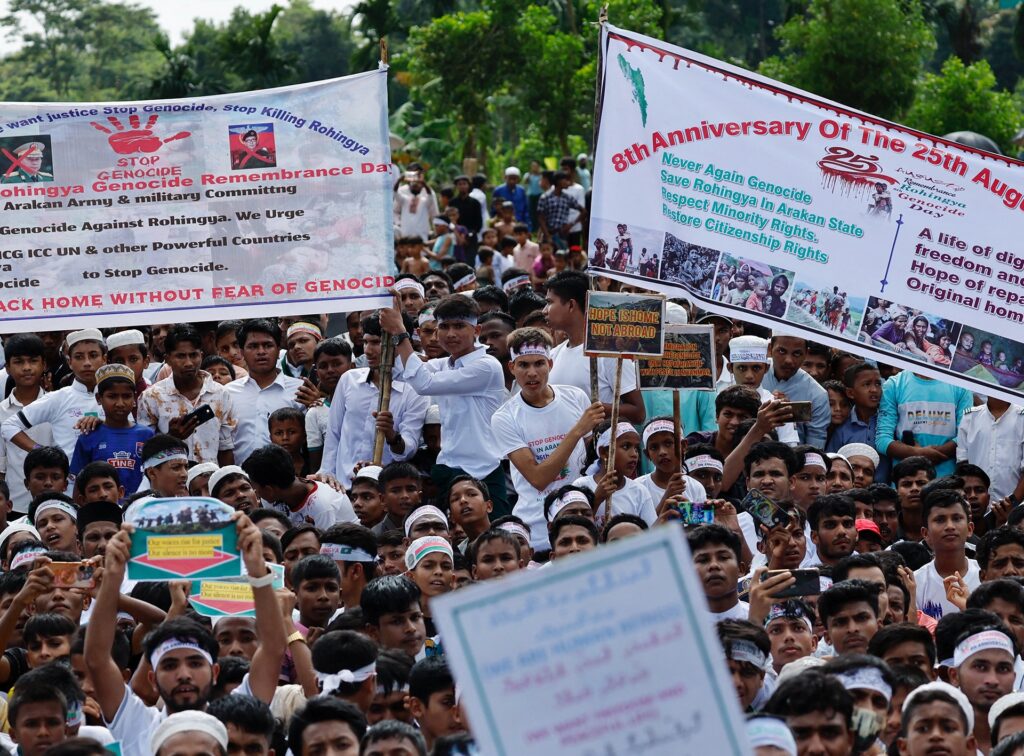
Nearly a decade after the mass exodus of Rohingya refugees from Myanmar, thousands continue to live in refugee camps in Bangladesh, facing ongoing challenges and uncertainty. Marking nine years since their forced displacement, Rohingya refugees have organized protests to draw attention to their dire conditions and the unresolved political crisis that led to their flight.
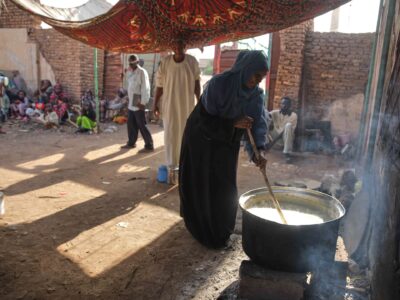
The Rohingya people, a Muslim minority from Myanmar’s Rakhine State, faced severe persecution and violence in 2017, sparking a massive humanitarian crisis. An estimated 700,000 Rohingya crossed the border into Bangladesh, seeking safety in overcrowded camps like Cox’s Bazar, which has since become the world’s largest refugee settlement.
The protests have highlighted critical issues including inadequate living conditions, lack of access to education and healthcare, and uncertain prospects for repatriation. Refugees demand increased international support, legal recognition, and a durable solution to their statelessness.
Economic hardships in the camps have worsened with the ongoing COVID-19 pandemic and restrictions imposed to control the virus’s spread. Many refugees report limited humanitarian aid and face food insecurity and unemployment.
Human rights organizations have voiced concern over the Rohingya’s prolonged displacement, calling for sustained global attention and impact-driven policies. They emphasize that while temporary humanitarian aid is crucial, long-term political solutions are necessary to address the root causes, including Myanmar’s refusal to grant citizenship and protection to the Rohingya.
Bangladesh has maintained a humanitarian approach but stresses the need for international collaboration to ensure the safe and voluntary repatriation of the Rohingya. Meanwhile, regional political dynamics complicate diplomatic efforts.
Despite these challenges, Rohingya refugees remain resilient, with many activists within the community striving to raise awareness and advocate for their rights. The anniversary protests serve as a stark reminder that the Rohingya’s plight remains unresolved and continues to require urgent global attention and coordinated action.
As the world marks nine years since the Rohingya’s exodus, the international community faces ongoing pressure to move beyond temporary relief efforts towards sustainable solutions, ensuring dignity, safety, and stability for the Rohingya people.