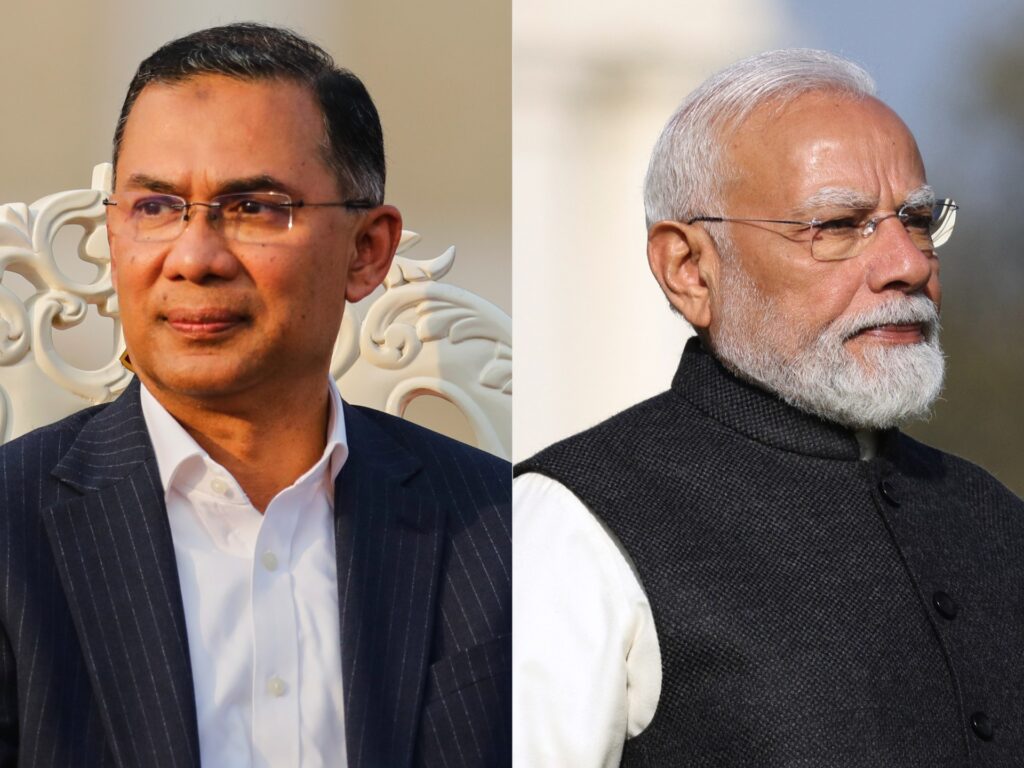
The diplomatic thaw between Bangladesh and India has hit a significant roadblock, primarily due to tensions sparked by statements and actions involving Bangladesh’s Prime Minister Sheikh Hasina. The complex relations between the two neighboring nations, marked by a history of cooperation and contention, are currently strained over accusations and political controversies that have frozen the ongoing reset of ties.
Analysts and regional experts observe that this stalemate is not merely a result of political rhetoric but also rooted in deeper concerns about cross-border political activities. One major sticking point is the allegation that the ousted former Prime Minister of Bangladesh is allegedly engaging in political maneuvering from Indian soil, which Dhaka views as interference in its internal affairs.
This sensitive issue has caused a diplomatic impasse, with Bangladesh demanding India to unequivocally commit to preventing any political interference or activities by exiled or ousted political figures on its territory. Such a commitment, insiders argue, would serve as a confidence-building measure and enable both countries to move forward in repairing and strengthening their bilateral relationship.
The Hasina administration has been particularly vocal about the need for India to ensure that its soil is not used as a launchpad for political schemes against Bangladesh’s ruling government. This sentiment resonates strongly with the public and political circles in Bangladesh, reinforcing the government’s stance.
On the Indian side, while there is an acknowledgment of Bangladesh’s concerns, New Delhi has been cautious, balancing its strategic interests in South Asia with the complexities of bilateral ties. Nevertheless, Indian analysts agree that a clear and documented assurance not to harbor political dissidents seeking to destabilize Bangladesh would be a significant step in diffusing tensions.
Experts note that resolving this issue would open the door for renewed dialogue on various economic, security, and cultural fronts. Both countries share numerous mutual interests including trade, water sharing, counter-terrorism, and cross-border connectivity projects which have the potential to benefit millions in the region.
The breakdown in diplomatic efforts underscores the fragile nature of Bangladesh-India relations, which have often swung between cooperation and confrontation. The Hasina spat acts as a reminder of the delicate balance diplomats must maintain to avoid escalation and foster trust.
To break the deadlock, analysts recommend several key measures: firstly, a transparent bilateral agreement addressing political asylum and activities on Indian soil; secondly, joint mechanisms for monitoring and verification; and finally, continued people-to-people exchanges and cultural diplomacy to rebuild goodwill.
Such pragmatic steps could pave the way for a comprehensive reset in Bangladesh-India relations, ensuring long-term stability and cooperation in the region. Without addressing the core political sensitivities, however, the stalemate is likely to persist, hampering progress on shared goals.
In conclusion, the Hasina spat illustrates how personal and political rivalries at high levels can influence state-to-state relations profoundly. A breakthrough hinges on India’s willingness to assure Bangladesh about non-interference, thereby restoring trust and enabling collaborative partnerships. As both countries navigate this challenging phase, the world watches closely, hopeful for a resolution that benefits both neighbors and contributes to regional peace and development.