Recent polls reveal a significant decline in US public support for a potential war with Iran, a shift influenced by multiple factors including falling Republican backing, rising gas prices, and fears of prolonged conflict. This trend comes at a time when former President Donald Trump’s approval ratings have reached record lows, adding a complex political dimension to public sentiment.
The poll results indicate that Republican support, which traditionally tends to be stronger for military interventions, has notably decreased. Analysts suggest that this drop is linked to growing wariness among Republicans about the costs and consequences of engaging Iran militarily. Meanwhile, rising gasoline prices have heightened public sensitivity to international conflicts that could exacerbate domestic economic conditions, particularly energy costs.
Fears of a prolonged and costly war deter many Americans who remember the extended conflicts in the Middle East over the past two decades. The collective fatigue from these experiences makes the public more cautious about endorsing new military engagements. This skepticism is amplified by concerns about the unclear objectives and potential unintended consequences of another war in the region.
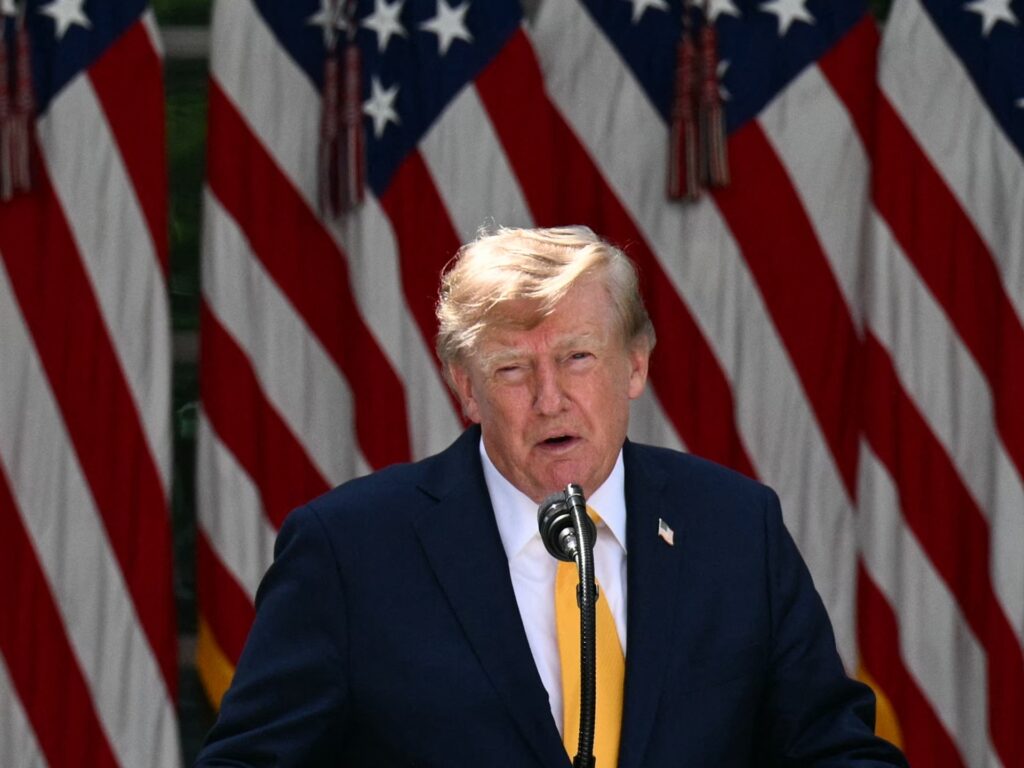
The political climate further complicates public opinion. With Donald Trump’s approval ratings at historic lows, his influence over the Republican base appears diminished, affecting how his supporters perceive and rally behind foreign policy initiatives associated with his administration. This decline in approval may also reflect broader discontent with governance and national direction, influencing attitudes toward significant foreign policy decisions.
Experts emphasize that the intersection of economic concerns, political dissatisfaction, and wariness of long-term military commitments creates a challenging environment for policymakers contemplating action against Iran. The public’s shifting attitudes suggest that any push for military intervention will require careful consideration of these domestic factors.
In conclusion, the decline in US support for a war with Iran underscores a more cautious and divided national mood. With economic pressures mounting and political leaders facing decreased approval, the American public appears less willing to endorse military conflict, signaling a potential shift in how foreign policy decisions may be approached in the near future.