Kazakhstan recently held a parliamentary election that resulted in a significant win for the newly established pro-government party, Adilet. Founded earlier this year, Adilet’s victory marks an important political development in the Central Asian nation and is expected to reinforce the authority of President Kassym-Jomart Tokayev.
Adilet’s success in the election is a demonstration of the political shifts occurring within Kazakhstan’s government. The party’s rise to prominence in such a short time highlights its strategic alignment with the administration and the public’s reception toward its platform supporting the current leadership.
President Tokayev, who assumed office following the resignation of long-time leader Nursultan Nazarbayev, has been focused on consolidating his power amid ongoing domestic reforms and socioeconomic challenges. The election win by Adilet strengthens his position in the legislative branch, providing him with a supportive parliamentary framework to advance his agenda.
Observers note that the formation and swift electoral success of Adilet could lead to a period of greater political stability in Kazakhstan. It ensures that the president’s policies, aimed at economic modernization and strengthening governance, will likely face less resistance within parliament.
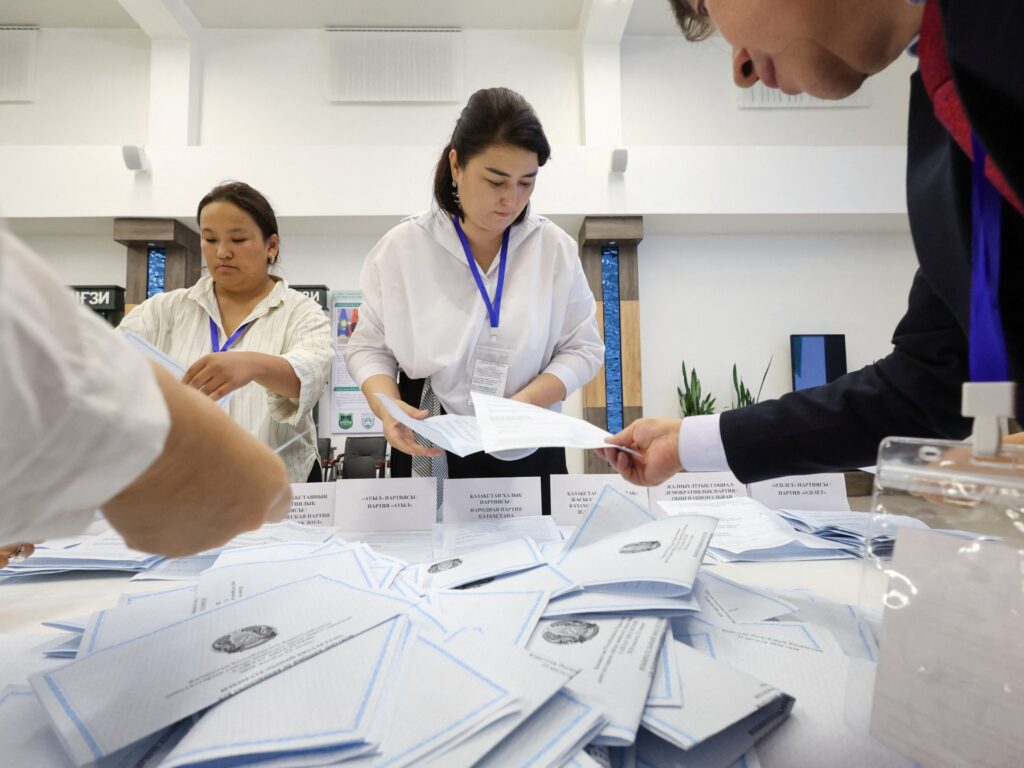
The election process itself was closely monitored both domestically and internationally. While some criticism of the electoral environment has been voiced by political analysts and NGOs citing limited political competition, the overall engagement from the electorate was significant.
Adilet’s platform emphasizes national unity, economic development, and the continuation of reforms initiated by President Tokayev. Members of the party are expected to work closely with the executive branch to implement measures aimed at improving living standards, attracting foreign investment, and fostering social cohesion.
In addition to consolidating power, this election victory positions Adilet as a pivotal player in Kazakhstan’s future political landscape. It may shape policymaking and international relations, especially as the country navigates complex geopolitical dynamics in the region.
President Tokayev has welcomed the election results, reiterating his commitment to reform and inclusive governance. He sees the parliamentary composition as a mandate to pursue his vision for Kazakhstan’s development and stability.
The victory of Adilet also raises questions about the state of political plurality in Kazakhstan. With a dominant pro-government party in parliament, the space for opposition voices might be more limited, leading to discussions about political diversity and democratic development.
Looking ahead, the government is expected to focus on leveraging this electoral win to implement key reforms, address economic challenges, and enhance Kazakhstan’s role on the global stage. For citizens, the election outcome is a signal of continuity and potential progress under a unified political front.
Overall, the parliamentary election in Kazakhstan marks a crucial juncture, with Adilet’s win likely to shape the trajectory of the country’s governance and policy direction in the years to come.