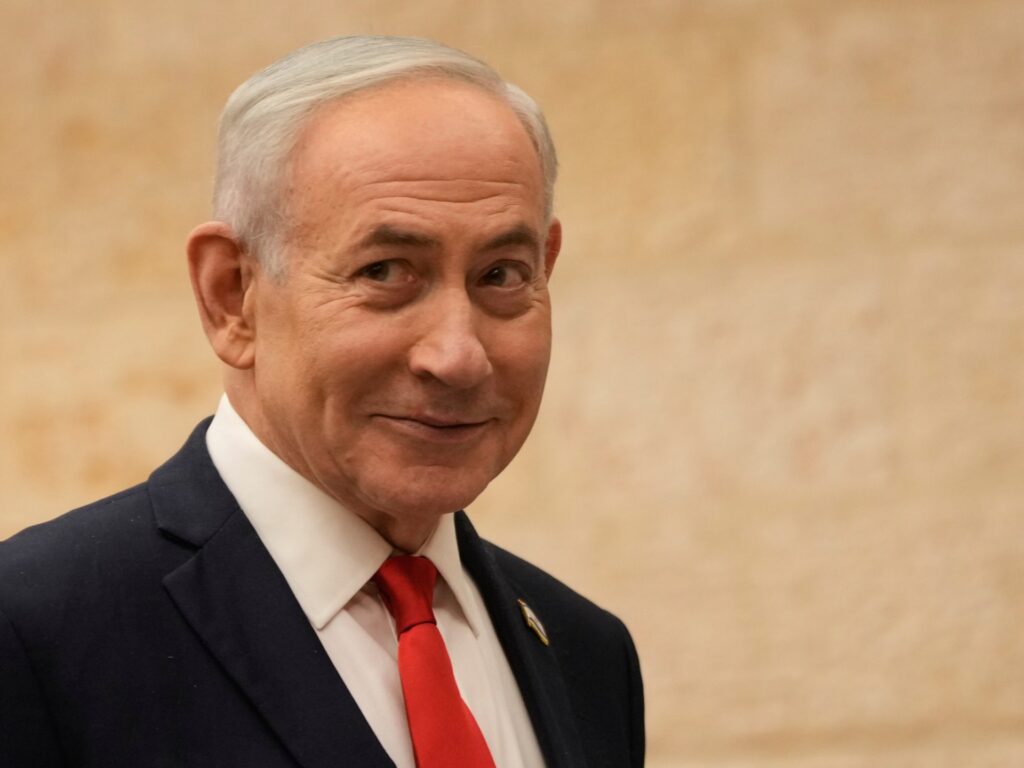
In a recent and dramatic revelation, Israeli Prime Minister Benjamin Netanyahu has accused Iran of attempting to assassinate one of his sons. This alarming claim adds yet another layer of tension to the already fraught relations between Israel and Iran.
Netanyahu’s assertion follows a highly controversial and significant event involving the United States and Israel conducting an operation in Tehran, aimed at eliminating key figures within the Iranian leadership. The operation reportedly resulted in the death of Iran’s supreme leader along with four members of his family, an act that has sent shockwaves across the Middle East and prompted intense security alerts.
The Israeli Prime Minister’s allegation that Iran targeted his son comes at a time when diplomatic channels appear severely strained, raising concerns about the potential for escalation between the two nations. This personal dimension to the geopolitical conflict highlights the high stakes involved and underscores the dangerous cycle of retaliation that could ensue.
Iran’s position following the operation and Netanyahu’s claims remains guarded, but the incident has elicited strong international reactions. Many countries have expressed concern over the involvement of foreign powers in such a decisive and aggressive strike within Tehran, reflecting on the broader implications for regional stability.
The backdrop to this unfolding saga includes a history of hostilities between Israel and Iran, characterized by proxy conflicts, espionage, and mutual allegations of plotting against one another’s leaders and key interests. Netanyahu’s revelation about the assassination attempt on his son could signify a new chapter in this intense rivalry, one where family members of political figures become direct targets.
Experts suggest that the killing of the Iranian supreme leader and his close family members may have been intended to destabilize Iran’s political structure and curb what Israel and the US perceive as threats emanating from Tehran. However, such actions carry the risk of provoking retaliatory measures, potentially spiraling into an unpredictable and dangerous conflict.
The international community is closely monitoring the developments, with calls for restraint from global powers wary of a broader military confrontation. The situation remains volatile, with Israel reinforcing its security measures and Iran likely to respond in kind, marking a period of heightened alertness.
Analysts also point out that Netanyahu’s public disclosure about the assassination attempt on his son may serve multiple political purposes internally within Israel, as well as on the international stage. It could be an attempt to rally public support and justify stringent security policies, alongside signaling to Iran the seriousness of Israeli vigilance.
In conclusion, the claim by Prime Minister Netanyahu that Iran tried to kill one of his sons marks a startling episode in the already tense relations between the two countries. Coupled with the recent killing of Iran’s supreme leader and close family members by US and Israeli forces, it sets a precarious stage that demands careful navigation by all involved to prevent further destabilization of the Middle East region.