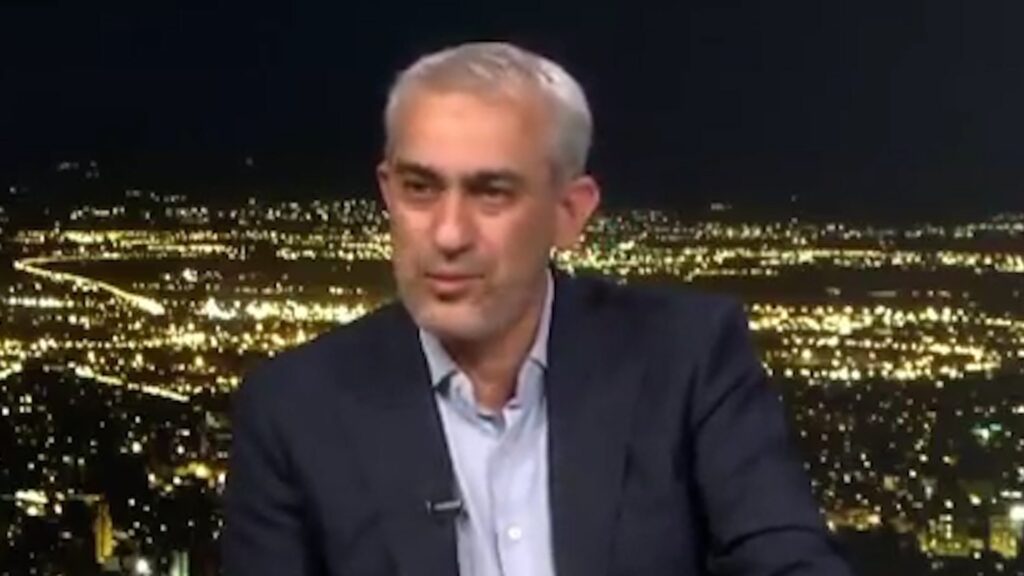
Iran’s Minister of Economy, Ali Madani-Zadeh, has officially responded to the United States’ recent announcement of a new round of economic sanctions, dubbed ‘Economic D-Day.’ These sanctions constitute a heightened economic pressure campaign aimed at curbing Iran’s economic activities and pressuring its government amid ongoing geopolitical tensions.
The US sanctions focus on targeting key sectors in Iran’s economy such as finance, oil exports, and trade, intending to cut off critical revenue streams and isolate the country economically on the global stage. This escalation comes after years of sanctions imposed on Iran, intended to deter its nuclear ambitions and influence regional policies.
Minister Madani-Zadeh’s reaction was one of resilience and defiance. He emphasized that Iran is prepared to face and endure these economic challenges without capitulating to external pressures. “Our economy is resilient and will withstand these sanctions. We have prepared plans to mitigate the impact and continue developing despite these challenges,” he stated during a press briefing.
The Minister highlighted ongoing efforts by the Iranian government and the private sector to diversify the economy and reduce dependence on oil revenues, which have traditionally been a major target for sanctions. Iran is accelerating moves toward expanding domestic production, boosting non-oil exports, and strengthening economic partnerships with non-Western countries.
Internationally, Iran is calling for dialogue and negotiation but warns that the use of harsh economic measures will only entrench positions rather than produce constructive outcomes. The Iranian economy has faced many similar episodes of sanctions before, developing adaptive mechanisms such as alternative banking channels, local currency trade agreements, and increased self-sufficiency in critical sectors.
The announcement of the ‘Economic D-Day’ sanctions has sparked considerable international debate. Some countries support the US’s hardline approach, seeing it as necessary to curb Iran’s nuclear program and regional activities, while others advocate for diplomacy and easing tensions.
Analysts have noted that while sanctions impose significant short-term pressures, the long-term effectiveness of such strategies is debatable given Iran’s historical ability to circumvent economic barriers.
In summary, Iran’s official stance conveyed by Minister Madani-Zadeh is one of steadfast resistance. The government is mobilizing resources to defend against economic hardship, with a clear message that the sanctions will not break the nation’s spirit or its strategic goals. This development marks yet another chapter in the ongoing complex relationship between Iran and the United States, with global implications for economic stability and geopolitical alliances.