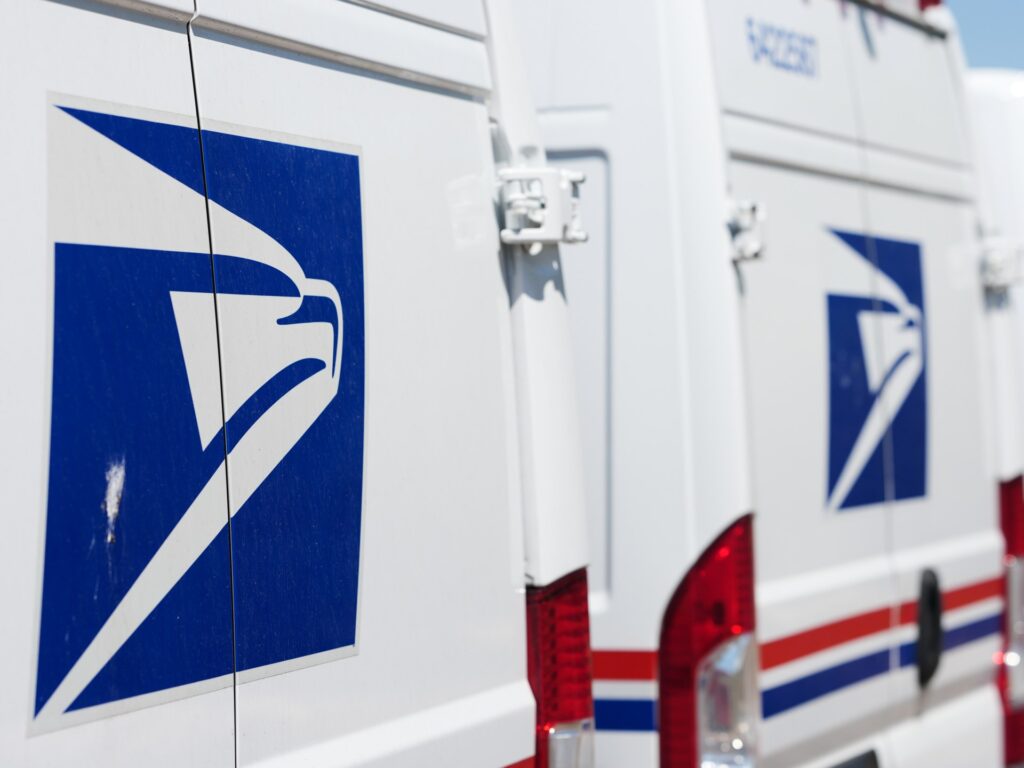
The United States Postal Service (USPS) has recently implemented restrictions affecting the handling of mail-in ballots, a move that has sparked significant debate amid ongoing political tensions and court rulings related to election integrity. This development comes as the country prepares for upcoming elections where mail-in voting is expected to play a crucial role, especially given the increased reliance on absentee ballots due to public health concerns.
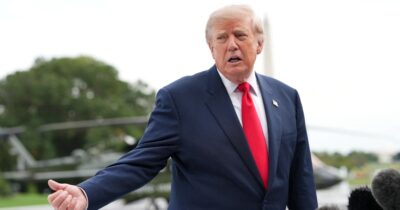
US President Donald Trump has been vocal about his opposition to expansive mail-in voting, expressing concerns about the potential for voter fraud and the integrity of election outcomes. His administration has pushed for measures to tighten the rules surrounding mail-in ballots, seeking to exert more control over the election process.
Despite a series of court rulings that challenged some of these restrictions, the USPS has proceeded to share and enforce new guidelines that impose limits on the handling and delivery of mail-in ballots. These restrictions include stricter deadlines for when ballots must be received, limitations on ballot collection procedures, and enhanced scrutiny of ballot transit.
Critics argue that these measures could disenfranchise voters, particularly in communities that rely heavily on mail-in voting due to health risks or other barriers to in-person voting. Legal experts and voting rights advocates warn that restricting mail-in ballot access may suppress voter turnout and undermine the democratic process.
The USPS, in defense of its new policies, states that these changes are aimed at ensuring the timely and secure delivery of all mail, including ballots. They contend that the restrictions are necessary to maintain operational efficiency and to prevent voting irregularities that could cast doubt on election results.
The situation has led to a complex legal and political battle. Courts have issued mixed rulings, sometimes blocking certain USPS restrictions while allowing others to be implemented. This patchwork of decisions has created uncertainty around how mail-in ballots will be processed and counted in various states.
Election officials across the country are preparing for multiple scenarios, emphasizing voter education and outreach to ensure that citizens understand the new rules and deadlines. Many states are working to extend ballot receipt deadlines and provide alternative voting options to mitigate the impact of postal service changes.
Meanwhile, President Trump’s calls to restrict mail-in voting remain a central issue in the national discourse, becoming a focal point of debate over election security versus voter access. His supporters argue for stringent measures to safeguard elections, while opponents warn that excessive restrictions could erode trust in the democratic system.
As November approaches, the nation watches closely how the USPS restrictions will influence voter participation and election outcomes. With nearly half of voters expected to use mail-in ballots this election cycle, the policies and court decisions shaping mail-in voting will undoubtedly have a lasting effect on the American electoral landscape.
In conclusion, the USPS’s mail-in ballot restrictions, despite facing legal challenges, highlight the ongoing tension between ensuring election security and protecting voter access. The unfolding events underscore the critical role of postal services in American democracy and the contentious nature of election reforms in today’s political climate.