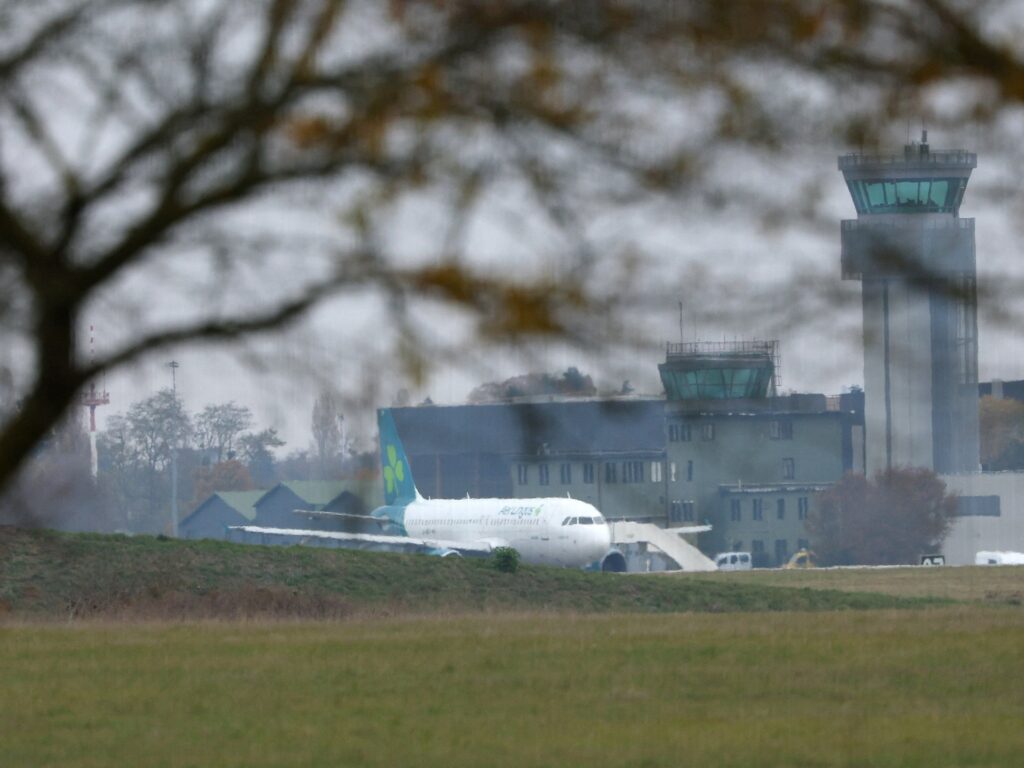
A wave of new bomb threats has led to fresh disruptions in air travel across Europe, prompting emergency landings and heightened security measures in multiple countries. Over the past week, flights in France, Italy, and Bulgaria have been forced to make emergency landings, causing delays and widespread concern among passengers and authorities. These incidents come just days after a series of bomb threats had already rattled European air traffic, highlighting an ongoing challenge for aviation security in the region.
In France, several flights were redirected to alternate airports after bomb threat alerts were received mid-air. Authorities conducted thorough inspections of the aircraft and its passengers before allowing flights to resume, leading to significant delays at major airports such as Paris Charles de Gaulle.
Italy experienced similar disruptions, with flights en route to Rome and Milan requiring emergency landings following anonymous threats. Italian aviation officials have increased security screenings and are cooperating closely with international partners to identify the sources of these threats.
Bulgaria, too, has seen disruptions as flights arriving in Sofia were delayed or diverted. Bulgarian security forces have escalated airport security protocols, including comprehensive baggage checks and passenger screenings.
The coordinated nature of these threats has raised concerns among European security agencies, which are working overtime to ensure passenger safety while minimizing travel interruptions. Airlines have urged travelers to arrive early at airports and stay informed about potential delays.
Experts emphasize the importance of robust intelligence sharing between countries and improved threat detection technologies to counter such escalations in aviation security risks. Passengers are advised to remain vigilant and report any suspicious behavior.
As investigations continue, government officials stress that they are taking all necessary measures to safeguard the skies and prevent further incidents. The current disruptions serve as a reminder of the persistent security challenges faced by the global aviation industry and the need for constant vigilance.