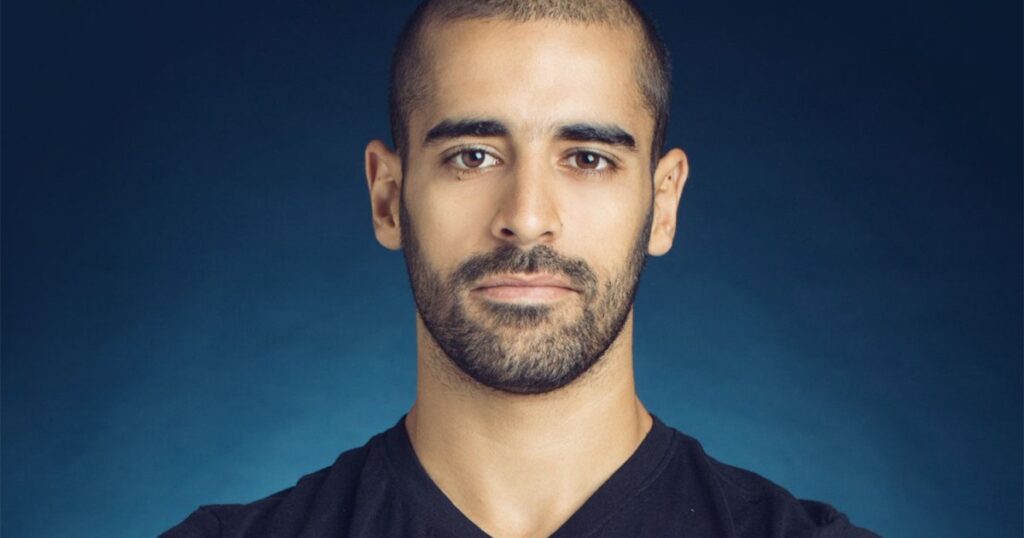
Israel has extended the detention of the Palestinian journalist Abed Abou Shhadeh, sparking concern and condemnation from rights groups and press freedom advocates. The journalist’s arrest originally came after he conducted an interview with Azmi Bishara, a controversial figure known for his political stance and history. Rights organizations claim that Abou Shhadeh’s detention is part of a broader attempt by Israeli authorities to silence Palestinian voices and restrict freedom of expression.
Abed Abou Shhadeh, recognized for his work in Palestinian media, was taken into custody after the interview, which addressed sensitive political issues and aired perspectives often critical of Israeli policies. This has led to accusations that the detention is politically motivated rather than based on any legitimate legal grounds.
The rights group highlighting the case emphasized that targeting journalists undermines democratic principles and the essential function of the media in a free society. They argue that such measures are intended to intimidate Palestinian journalists and curtail their ability to report independently.
International press freedom organizations have joined in calling for Abou Shhadeh’s immediate release, stating that freedom of the press should be protected regardless of political sensitivities. They warn that the arrest sets a dangerous precedent for press freedom in the region.
This incident draws attention to the ongoing tensions and challenges faced by Palestinian journalists working under difficult conditions. Israeli authorities frequently justify such detentions on security grounds, but critics assert that these actions often lack transparency and due process.
The extension of Abou Shhadeh’s detention has sparked protests and debates within Palestinian communities and among human rights defenders worldwide. Many see it as part of a larger pattern of repression aimed at controlling the narrative and restricting Palestinian self-expression.
Media watchdogs continue to monitor the situation, urging Israeli officials to reconsider their approach and respect journalistic integrity and human rights. They highlight the importance of allowing journalists like Abou Shhadeh to carry out their work without fear of incarceration.
The case also underscores the broader issues related to press freedom in conflict zones, where journalists often find themselves caught between competing political interests and security concerns. Ensuring their protection is vital to maintaining transparency and accountability in such volatile environments.
As the situation develops, international legal experts and advocacy groups are calling for diplomatic pressure to be applied, aiming to safeguard journalists’ rights and promote open dialogue. The hope is that Abou Shhadeh’s release could set a positive example for respecting media freedom in contested areas.
Meanwhile, Abou Shhadeh’s colleagues and family remain hopeful for a swift resolution, emphasizing the importance of solidarity among journalists and citizens alike in defending press freedoms.
This case serves as a critical reminder of the ongoing struggles faced by journalists covering politically sensitive and conflict-related topics, highlighting the need for robust protections to ensure their safety and freedom to report truthfully.