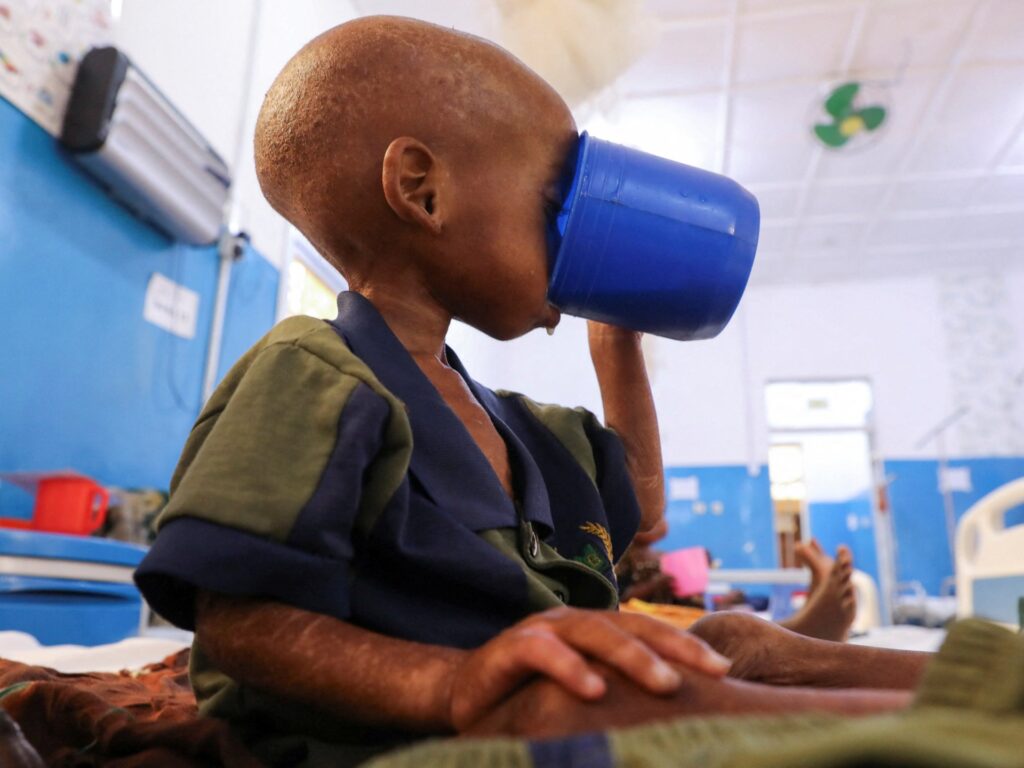
The ongoing child hunger crisis in Somalia has worsened alarmingly, according to a recent report by UNICEF. The drought-stricken East African nation has experienced a staggering 32 percent increase in the number of children treated for severe malnutrition. This sharp rise coincides with significant cuts in humanitarian aid, which experts say have severely constrained relief efforts.
Somalia, already grappling with years of drought, conflict, and economic instability, has seen the fragile situation deteriorate further as vital aid programs face funding shortages. These programs have historically provided critical nutrition and health services to vulnerable children and families, helping to stave off widespread hunger and disease.
UNICEF’s latest data indicates that thousands more children are now in urgent need of therapeutic feeding and medical care to address life-threatening malnutrition. The drought has crippled agricultural productivity, leading to food scarcity and soaring prices, which further exacerbate the challenges faced by the already vulnerable population.
Humanitarian agencies caution that without a rapid infusion of funding and strengthened aid delivery, the situation will deteriorate further. They stress that the health and survival of countless children depend on renewed international support to restore nutrition and healthcare services.
The crisis underscores the complex interplay of environmental, economic, and political factors fueling hunger in Somalia. Prolonged drought cycles linked to climate change, ongoing conflict, and political instability all contribute to the insecurity that hampers effective aid distribution.
In response, UNICEF and its partners are calling for immediate donations and support from the global community to prevent a full-scale famine. They emphasize that timely intervention can save lives, reduce the burden on over-stretched healthcare systems, and provide hope for recovery.
The worsening malnutrition figures serve as a grim reminder of the price children pay amid humanitarian aid shortfalls. Without renewed commitments from donors, the child hunger crisis in Somalia could spiral into one of the deadliest public health emergencies in recent memory.
Governments, aid agencies, and international organizations are urged to prioritize funding and logistical support that targets vulnerable populations in drought-affected regions.
The resilience of Somali communities is immense, but they cannot overcome these challenges without external assistance. Swift and sustained aid efforts remain critical to protect the health, dignity, and future of Somalia’s children in these trying times.