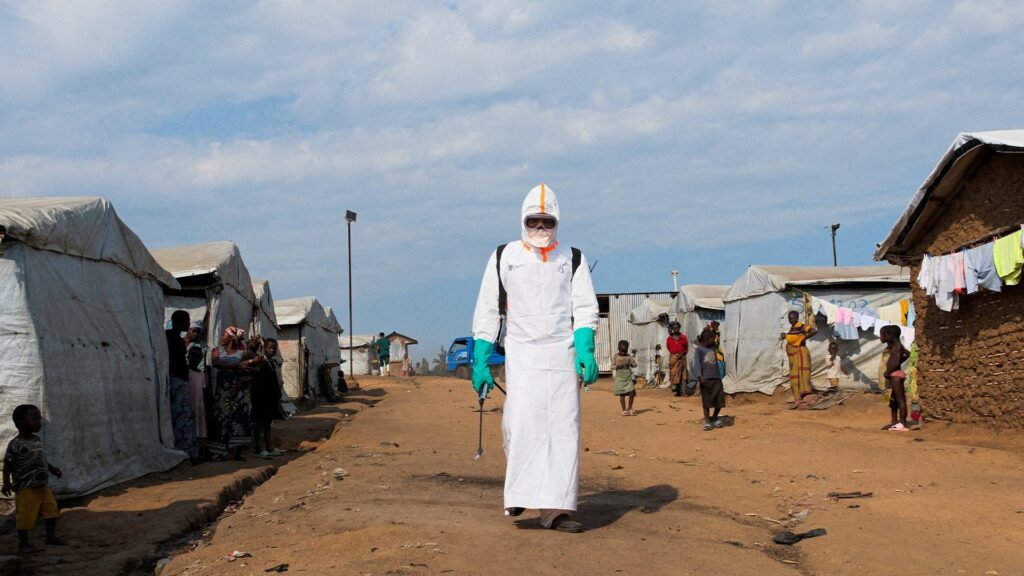
The Democratic Republic of Congo (DRC) is currently grappling with a severe outbreak of the Ebola virus, which continues to spread at an alarming rate. Health authorities have issued grave warnings indicating that approximately one person is succumbing to Ebola every thirty minutes, highlighting the urgent need for intervention and increased medical resources.
In response to the intensifying crisis, a shipment of 16,000 doses of the Ebola vaccine has arrived in the region. This delivery marks a crucial step in curbing the spread of the deadly virus, offering hope for containment and eventual control. The vaccine doses are expected to be administered primarily to frontline health workers, vulnerable populations, and contacts of confirmed Ebola cases to break chains of transmission.
Since the outbreak began, the DRC has faced numerous challenges including limited healthcare infrastructure, widespread community transmission, and logistical obstacles in delivering medical supplies to affected areas. The Ebola virus, known for its high fatality rate and rapid progression once contracted, poses a significant public health threat.
Health officials have emphasized the importance of vaccination campaigns combined with community engagement, improved surveillance, and rigorous contact tracing to manage the outbreak effectively. Educational initiatives are being ramped up to inform the public about preventive measures, symptoms, and the importance of seeking early medical care.
Despite the arrival of the vaccine doses, experts warn that the fight against Ebola is far from over. Sustained international support, adequate funding, and coordinated efforts between government agencies, non-governmental organizations, and affected communities are critical to prevent further loss of life.
The global health community is closely monitoring the situation in the DRC, recognizing that controlling Ebola outbreaks not only protects regional populations but also reduces the risk of international spread. The current scenario underscores the vulnerabilities in epidemic preparedness and the essential role of vaccines in managing infectious disease emergencies.
Moving forward, the success of the vaccination efforts will depend on overcoming challenges related to vaccine storage, distribution, and public acceptance. Continuous research and development are necessary to improve vaccine formulations and delivery mechanisms suitable for outbreak contexts.
The DRC’s battle with Ebola serves as a stark reminder of the persistent threat posed by emerging infectious diseases and the critical need for robust, well-resourced health systems. As the world rallies to support the DRC, the priority remains clear: save lives, protect communities, and prevent the devastating impact of Ebola on current and future generations.