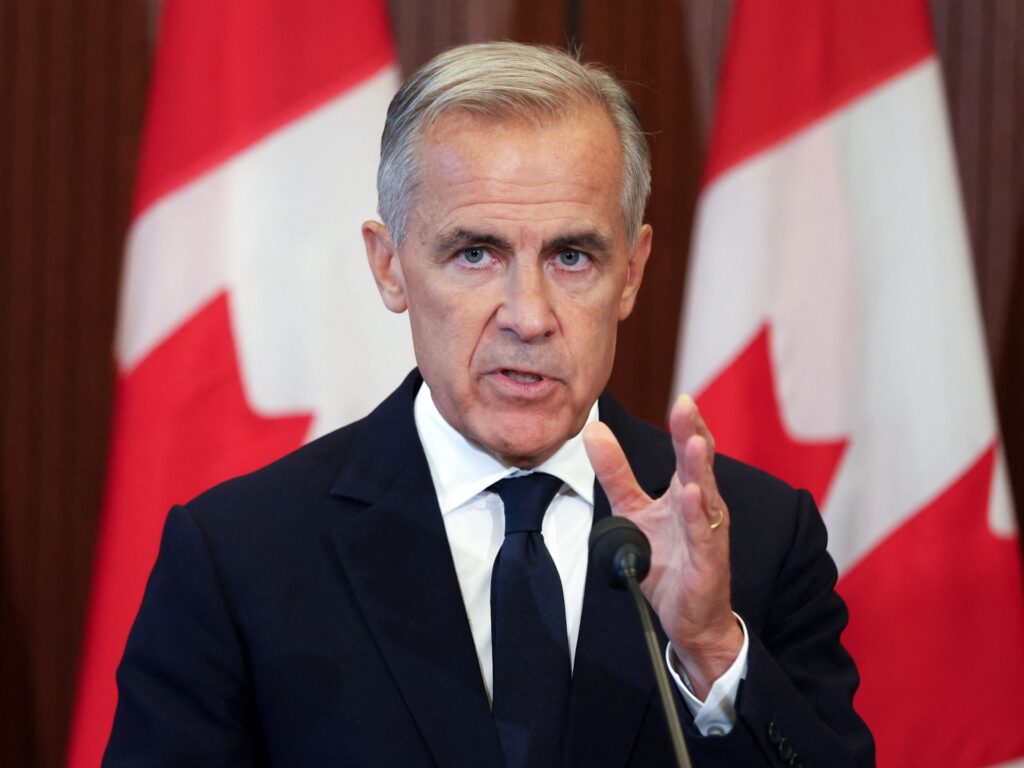
In a developing trade dispute between Canada and the United States, Canadian Prime Minister announced that the country will begin enforcing retaliatory tariffs against the US starting on September 8. This announcement came shortly after the United States government imposed sweeping tariffs of 50 percent on nearly $20 billion worth of Canadian goods.
The sudden introduction of these tariffs by the US government marks a significant escalation in trade tensions between the two neighboring countries. The affected Canadian exports are key to the bilateral economic relationship, and the impact of the US tariffs is likely to reverberate across various Canadian industries.
Canadian Prime Minister expressed strong disapproval of the US measures and emphasized the need for Canada to defend its economic interests. He stated that the retaliatory tariffs are a measured response and designed to protect Canadian businesses and workers from unfair trade practices.
Initiating retaliatory tariffs is a common mechanism in international trade disputes when one country believes another country’s trade actions violate agreements or harm its own markets.
Trade experts note that these tariffs could disrupt supply chains, increase costs for manufacturers and consumers, and escalate tensions further between the two nations, possibly prompting a prolonged trade conflict.
The sectors most impacted by these tariffs are expected to include automotive parts, steel, aluminum, and various agricultural products. Canadian businesses in these sectors have expressed concern about the sudden introduction of tariffs, fearing loss of market access and increased operational costs.
From the US perspective, the official rationale for the tariffs focuses on protecting domestic industries perceived to be harmed by foreign imports, particularly steel and aluminum sectors. The 50 percent tariff rate imposed is unprecedented in scale and signifies a tough stance in US trade policy.
Canadian officials have indicated they will seek to resolve the trade dispute through diplomatic and legal channels, including possibly appealing to international trade organizations such as the World Trade Organization (WTO).
Economic analysts warn that ongoing trade conflicts can slow down economic growth and lead to uncertainty in markets. Investors and businesses on both sides of the border are closely monitoring the situation.
The timing of the Canadian retaliatory tariffs set for September 8 allows a short window for potential negotiations and de-escalation of the dispute before the tariffs go into effect. However, current statements from both sides suggest a firm stance.
Canada’s move is expected to signal to trading partners that it will actively defend its trade interests and challenge what it considers unfair trade practices.
Industry leaders and associations in Canada have called on both governments to return to the negotiation table promptly to avoid damaging the long-standing economic relationship.
The Canadian government also assured that it will provide support and compensation measures to sectors most impacted by the trade dispute.
The unfolding trade conflict highlights the complex interdependence between the US and Canadian economies, as well as the challenges of navigating modern international trade policies amid rising protectionism.
As the September 8 deadline approaches, businesses, political leaders, and international observers will be closely watching developments on both sides, hoping for a resolution that will preserve free trade and economic cooperation across North America.