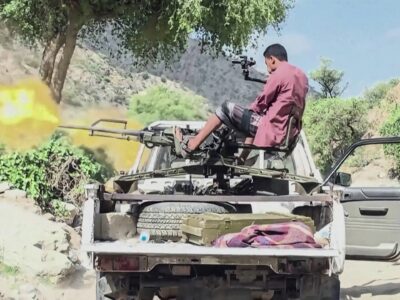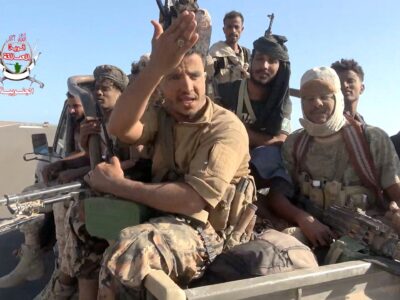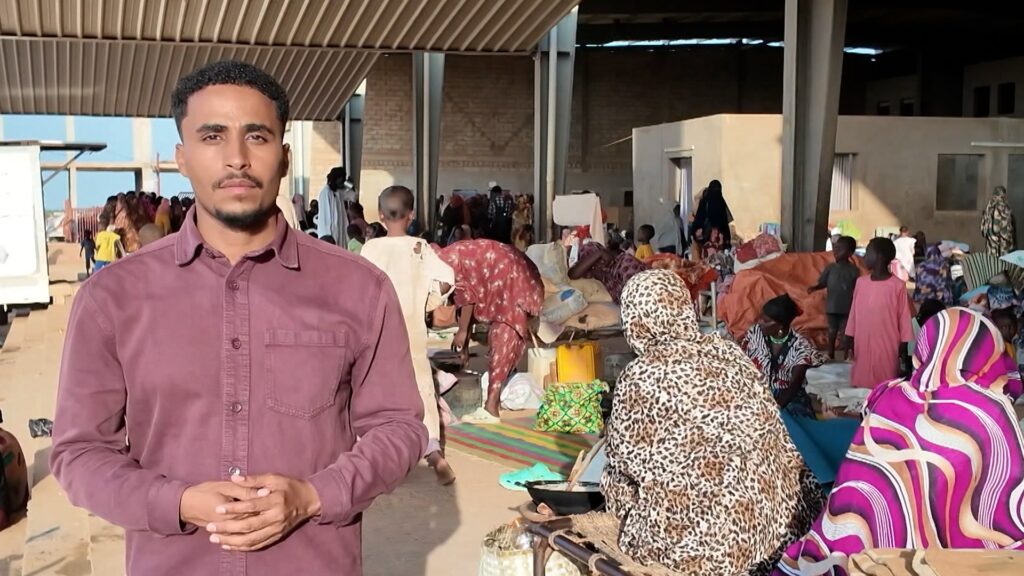
Sudan is currently facing a worsening displacement crisis as ongoing violence continues to escalate across the country. The latest surge in conflict has forced thousands of civilians to flee their homes, exacerbating an already dire humanitarian situation.
The root causes of the violence include political instability, ethnic tensions, and clashes between armed groups vying for control in various regions. Key areas affected include Darfur, South Kordofan, and Blue Nile states, where communities have been caught in the crossfire.
According to humanitarian organizations, the displacement figures have surged dramatically in recent weeks, with more than a million people now internally displaced within Sudan. This exacerbates the strain on limited resources such as food, clean water, shelter, and medical care.
Camps and temporary settlements are increasingly overcrowded, raising concerns about sanitation, disease outbreaks, and the overall wellbeing of displaced populations. Vulnerable groups including women, children, and the elderly are disproportionately affected by these conditions.
International agencies and the Sudanese government have called for ceasefires and negotiations to address the conflict. However, peace efforts remain fragile, with recurrent skirmishes undermining progress.
Access to conflict zones by aid organizations remains a critical challenge, hindering delivery of essential assistance to those in need. Roadblocks, insecurity, and bureaucratic obstacles impede timely and adequate humanitarian response.
The international community has been urged to increase support through funding, peacekeeping missions, and diplomatic engagement to help stabilize the country and alleviate human suffering.
As violence persists, the risk of further displacement and deepening humanitarian crises looms large in Sudan. Sustainable peace and stability are necessary to allow displaced persons to return home and rebuild their lives.
The situation demands coordinated efforts from all stakeholders, including local leaders, regional actors, and global partners to prevent further deterioration and promote long-term solutions to Sudan’s complex challenges.