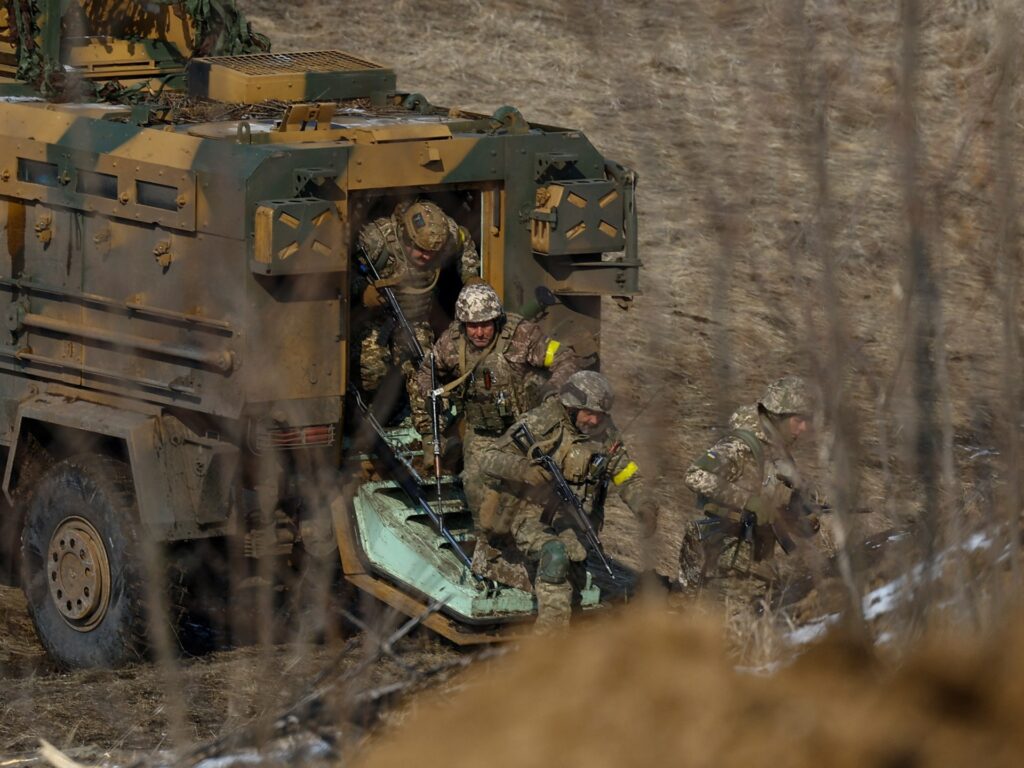
In a significant security breach, Australian authorities have charged a man for allegedly passing sensitive Ukrainian military intelligence to Russian intelligence agencies. The individual, identified as an Australian-Russian dual citizen, reportedly joined the Ukrainian military but covertly transmitted critical information to Russia.
The case highlights increasing concerns about espionage activities amid the ongoing conflict between Ukraine and Russia. According to police reports, the man used his position within the Ukrainian military to gather vital intelligence, which was then discreetly communicated to Russian operatives.
Australia’s law enforcement agencies have launched a thorough investigation to uncover the extent of the information leak and identify if there were any collaborators involved. Officials emphasized the gravity of the offense, underscoring that such actions pose serious risks to national and allied security interests.
The accused is being prosecuted under Australian law for espionage and is currently undergoing legal proceedings. This development marks one of the prominent cases reflecting the complex international espionage dynamics influenced by the Ukraine-Russia conflict.
Security experts warn that the incident serves as a cautionary tale about the infiltration risks within military and intelligence structures, especially during times of heightened geopolitical tensions. Australian authorities have pledged to intensify their vigilance and cooperation with allied intelligence agencies to prevent similar breaches in the future.
This case also provokes a reassessment of the protocols and screening processes for foreign nationals serving in military entities, especially those engaged in sensitive operations. Intelligence-sharing alliances between Australia and its partners are expected to strengthen as a response to mitigate potential threats.
The broader implications of this espionage act have resonated across international relations, highlighting the challenges democracies face from covert intelligence operations. Lawmakers and defense officials continue to debate improved security measures to safeguard military secrets.
As the judiciary proceeds with the case, further details are anticipated regarding how the intelligence was transmitted and the precise nature of the compromised information. Meanwhile, diplomatic channels remain vigilant, monitoring the case’s impact on Australia’s standing with Ukraine and other allies.
This case underscores ongoing vulnerabilities in global security frameworks and the persistent threat posed by individuals willing to exploit their positions for foreign powers. It serves as a critical reminder of the need for robust security measures and international cooperation to protect sensitive military intelligence from falling into hostile hands.