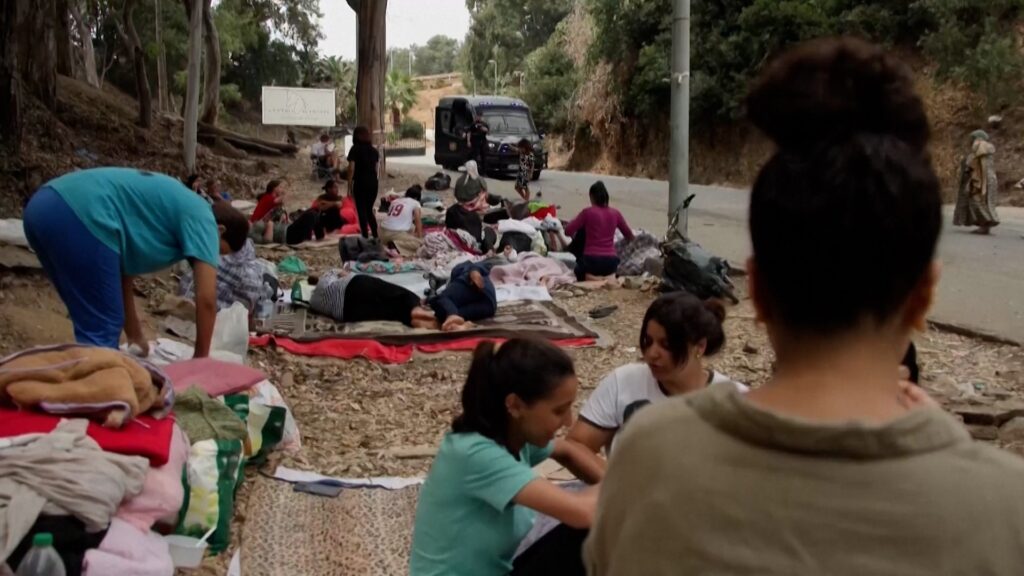
In the border city of Ceuta, a Spanish enclave on the northern coast of Africa, migrant women have increasingly become victims of sexual assault, raising alarm among human rights organizations and local authorities. Ceuta, a key entry point for migrants seeking to enter Europe, has witnessed a surge in attempts by individuals and families fleeing conflict, poverty, and persecution to cross into Spanish territory.
The plight of these women is particularly distressing. Many arrive exhausted and vulnerable after perilous journeys across the Mediterranean or through harsh desert terrains. Reports indicate that some are subjected to sexual violence either during their transit or shortly after arrival in Ceuta. This violence not only causes immediate physical and psychological trauma but also exacerbates their precarious situation, limiting their ability to seek help or protection.
Human rights groups working in Ceuta have documented multiple cases of assault and emphasize a pressing need for better protection measures. Women migrants face risks in various settings, including unauthorized living quarters, overcrowded shelters, and even at border security checkpoints. The lack of sufficient resources and trained personnel in these facilities complicates efforts to safeguard vulnerable individuals.
Authorities have acknowledged these challenges and pledged to improve security and support services. Initiatives under consideration include enhanced monitoring at border areas, improved training for law enforcement on handling cases involving migrant women, and expanding access to medical and psychological assistance.
However, advocates argue that addressing sexual violence against migrant women requires a multifaceted approach. They call for comprehensive policies that incorporate gender-sensitive protection frameworks, legal pathways to prevent exploitation, and broader efforts to tackle the root causes forcing people to undertake such dangerous journeys.
The European Union, which oversees and funds migration management in member states, has also been urged to increase its support for frontline cities like Ceuta. Enhanced collaboration between Spain, Morocco, and international agencies is deemed critical to preventing abuses and ensuring migrants’ human rights are upheld.
Beyond the immediate response, experts stress the importance of raising awareness about the issue at both local and international levels. Empowering migrant women with knowledge of their rights and available resources is seen as a crucial step toward mitigating exploitation and violence.
As the situation unfolds, civil society organizations continue to advocate for sustained attention and action. Their goal is to transform Ceuta from a place of danger for migrant women into one of safety and hope, where human dignity is respected and protected regardless of one’s origin or status.
In summary, the sexual assault of migrant women in Ceuta highlights serious humanitarian concerns that require urgent and coordinated responses. The protection of vulnerable populations remains a critical challenge as migration pressures persist across the Mediterranean region.