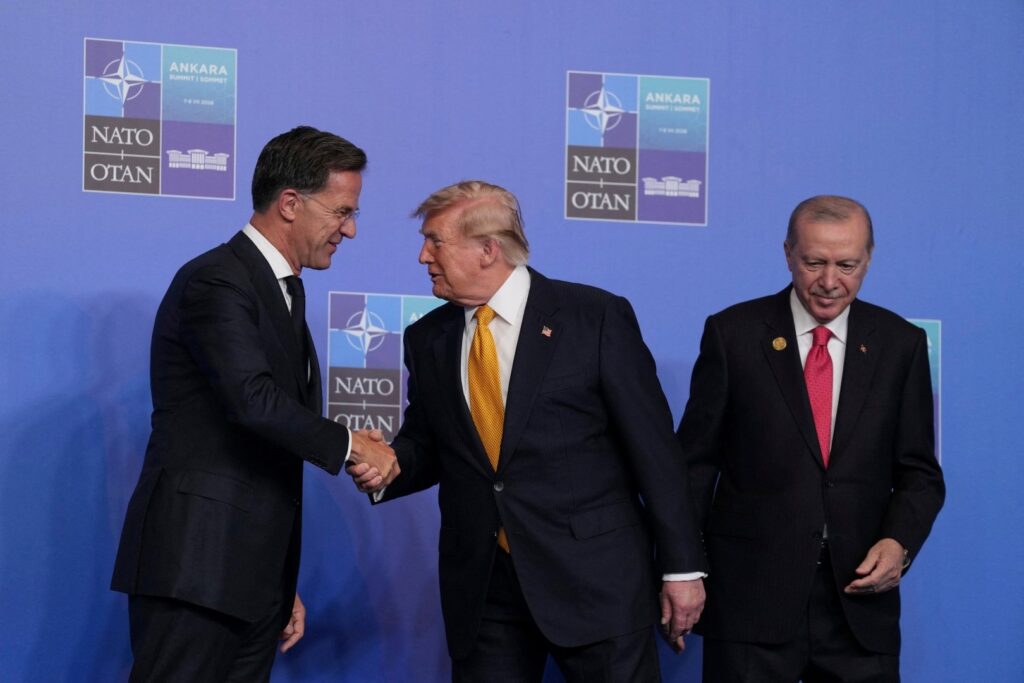
In a surprising move, the Pentagon has distributed a confidential questionnaire to 31 NATO member countries aimed at assessing their political loyalty to the United States. This exclusive survey seeks to gauge the alignment of NATO allies’ policies and commitments with US interests amid rising geopolitical tensions.
The survey reportedly contains a series of pointed questions designed to measure how closely the nations’ leaders and governments demonstrate their loyalty and support for the US on critical international issues. Questions include assessments of military collaborations, diplomatic stances, and economic partnerships.
Officials within NATO have expressed concerns about the nature of this inquiry, highlighting the sensitivities around national sovereignty and alliance politics. Receiving such a questionnaire has raised eyebrows within diplomatic circles, as it appears to prioritize political loyalty over alliance solidarity and shared values.
The Pentagon’s move comes at a time when the United States is recalibrating its foreign policy and defense strategy to address emerging threats from rival powers. Ensuring that allies maintain a unified front is seen as crucial to US national security interests. However, the approach of formally surveying allies on loyalty has been criticized by some analysts as potentially straining diplomatic relations.
NATO allies vary widely in their political landscapes and foreign policy priorities, ranging from long-established US partners to newer members with more independent stances. The results of the survey could influence US decisions on military aid, joint operations, and strategic cooperation.
Some experts suggest that the survey is part of a broader effort by the Pentagon to create a more streamlined and obedient alliance, prioritizing alignment with US strategic goals over the traditional multilateralism that has characterized NATO.
The survey has not been publicly released, and the Pentagon has declined to comment officially on the matter. However, leaks indicate that the questionnaire covers topics such as defense spending commitment, support for US-led military interventions, and alignment on cybersecurity initiatives.
Diplomatic sources warn that this approach could lead to divisions within the alliance, as countries perceived as less loyal might face repercussions or diminished roles in NATO activities. It raises questions about the future dynamics of transatlantic relations and the balance between cooperation and control.
In response, some NATO member governments are reportedly preparing detailed replies emphasizing their historical contributions and ongoing commitments to collective security, aiming to affirm their loyalty and avoid any potential fallout.
This unprecedented survey by the Pentagon underlines the complex challenges faced by the US in maintaining its global leadership and managing alliances amid a changing geopolitical landscape. It highlights tensions between national interests, alliance cohesion, and the demands of global power politics.