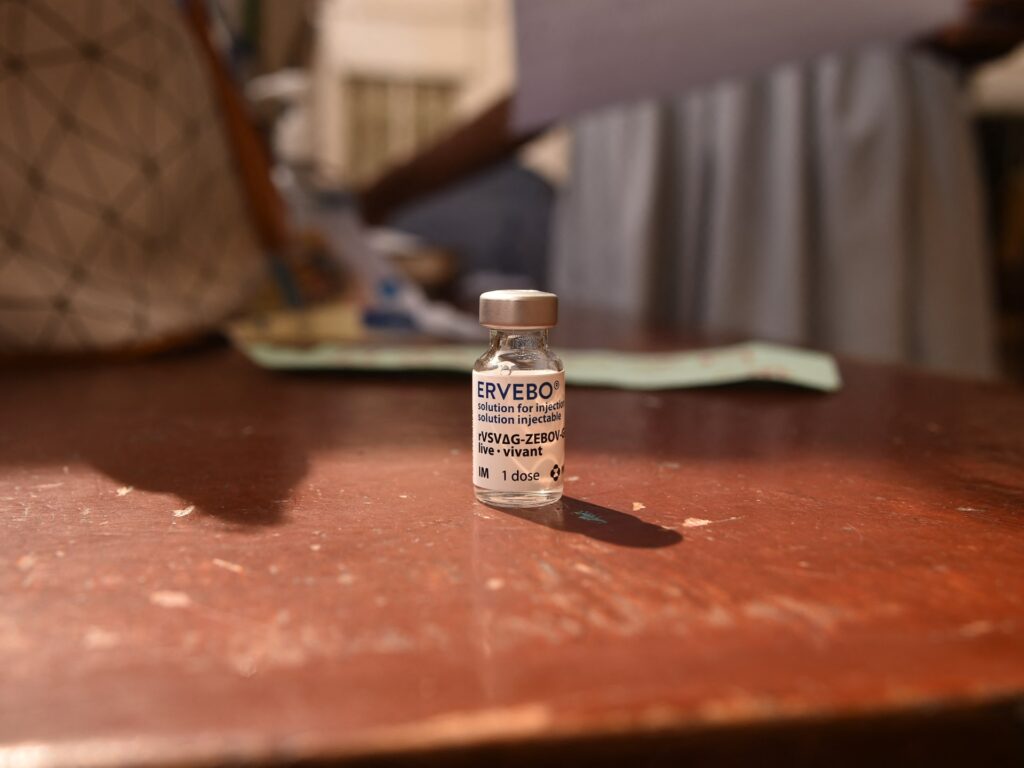
The Democratic Republic of Congo (DRC) is set to receive 70,000 doses of the Ervebo vaccine as part of efforts to curb the ongoing Ebola outbreak, which has escalated into the largest outbreak in the country’s history. The World Health Organization (WHO) has indicated that these vaccines are being allocated to the DRC in response to the increasing number of Ebola virus disease cases that have resulted in nearly 2,500 deaths so far.
The Ebola outbreak in the DRC has posed significant public health challenges, with health officials struggling to contain the spread of the highly infectious virus. The Ervebo vaccine, which is specifically designed to protect against the Ebola virus, has been a critical tool in previous outbreaks and is now being deployed to prevent further transmission.
WHO officials emphasized the urgency of distributing the vaccine doses to affected regions in the DRC, where healthcare systems are under substantial strain due to the ongoing crisis. The delivery of 70,000 Ervebo vaccine doses is expected to enhance vaccination campaigns aimed at frontline healthcare workers and communities at high risk.
This allocation comes after careful assessment of the outbreak’s dynamics and consideration of the logistics involved in vaccine storage and administration. Ervebo’s efficacy in protecting vaccinated individuals has been proven during earlier outbreaks, making it a key component in the global effort to reduce mortality and spread of Ebola virus disease.
The DRC’s Ministry of Health, in collaboration with international health agencies such as WHO and Médecins Sans Frontières (Doctors Without Borders), is coordinating the vaccination rollout to ensure that the doses reach those most vulnerable. Efforts include community engagement to address vaccine hesitancy and improve awareness about Ebola and the importance of vaccination.
In addition to vaccination, ongoing strategies to fight the Ebola outbreak include disease surveillance, contact tracing, and provision of supportive care to infected individuals. The international community continues to support the DRC with technical expertise, funding, and logistical assistance to strengthen response capabilities.
The surge in Ebola infections in the DRC highlights the persistent threat posed by viral hemorrhagic fevers in regions where healthcare infrastructure is limited. Strengthening health systems, improving outbreak preparedness, and ensuring rapid access to vaccines remain priorities for global health security.
The distribution of the 70,000 doses of the Ervebo vaccine represents a critical step forward in controlling the outbreak. As the DRC navigates these challenging times, the collaboration between local authorities and international partners stands as a testament to the global commitment to combating Ebola and protecting public health worldwide.