The recent presidential elections in Zambia have been overshadowed by reports of intimidation and violence, raising serious concerns about the integrity and safety of the electoral process. Observers monitoring the elections noted multiple instances of threats directed at voters and election officials, which escalated tensions across various polling stations.
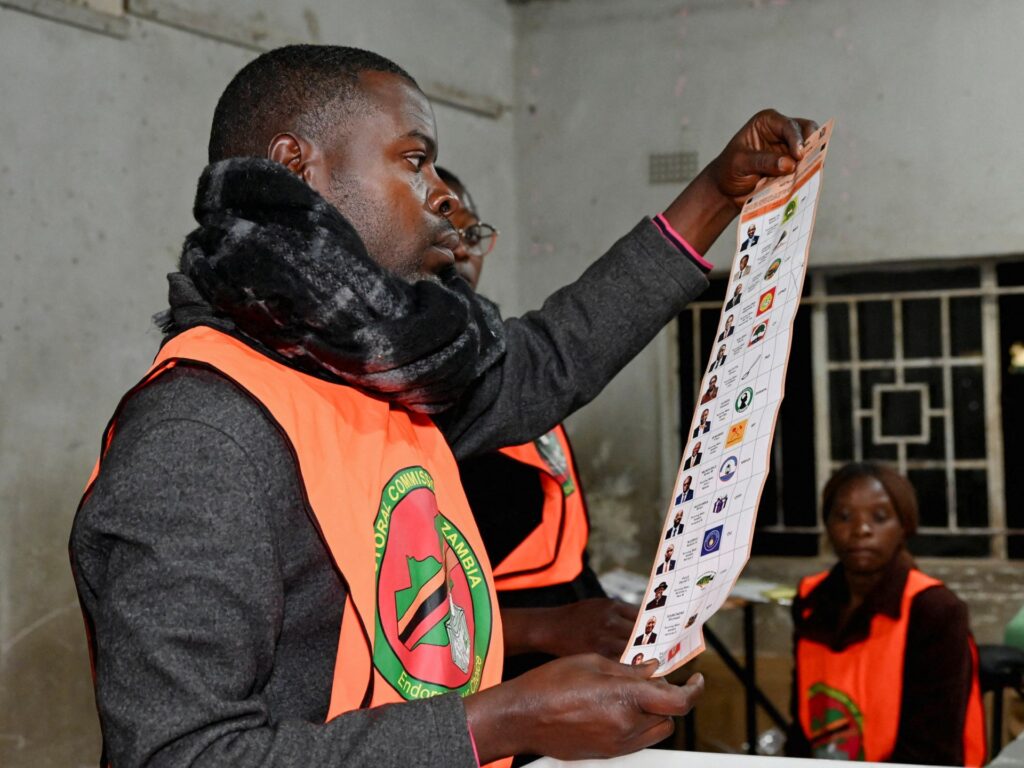
On Thursday, during the vote count for the presidential race, the process was temporarily halted due to security threats. Authorities decided the suspension was necessary to ensure the safety of election workers and to prevent potential escalation of violence. This interruption has added to the apprehension surrounding the election results and their acceptance by the public.
The reports of intimidation included allegations of harassment and coercion of voters, with some political supporters allegedly threatening opponents. Several polling stations experienced confrontations between supporters of rival candidates, which sometimes resulted in physical violence. Electoral administrators faced difficulties in maintaining order, and some staff reportedly felt unsafe continuing their duties under these conditions.
International and local observers have expressed their concern over these developments, emphasizing that a credible electoral process is essential for the democratic legitimacy of Zambia’s leadership. They have called on all parties involved to respect the safety of voters and election officials and to refrain from any forms of violence or intimidation.
The Electoral Commission of Zambia has condemned the incidents and pledged to investigate the reported threats thoroughly. It has also vowed to take appropriate measures to enhance security for the remaining stages of the election. Security forces were deployed to key areas to maintain peace and order while vote counting resumes.
Political leaders from various parties have been urged to promote peaceful engagement with their supporters and to accept the election results through lawful and democratic channels. The heightened tensions reflect the competitive nature of the race and the high stakes involved in securing the presidency.
The suspended vote counting process has caused delays in the announcement of official results, leading to uncertainty among the electorate. Both national and international observers continue to monitor the situation closely, advocating for transparency and accountability in the electoral process.
In conclusion, Zambia’s presidential election has encountered significant challenges due to reports of intimidation and violence, which have temporarily disrupted vote counting. Ensuring a peaceful, fair, and transparent election remains critical for the country’s democratic health and political stability. The coming days will be crucial in determining both the outcome of the elections and the broader implications for Zambia’s democratic future.