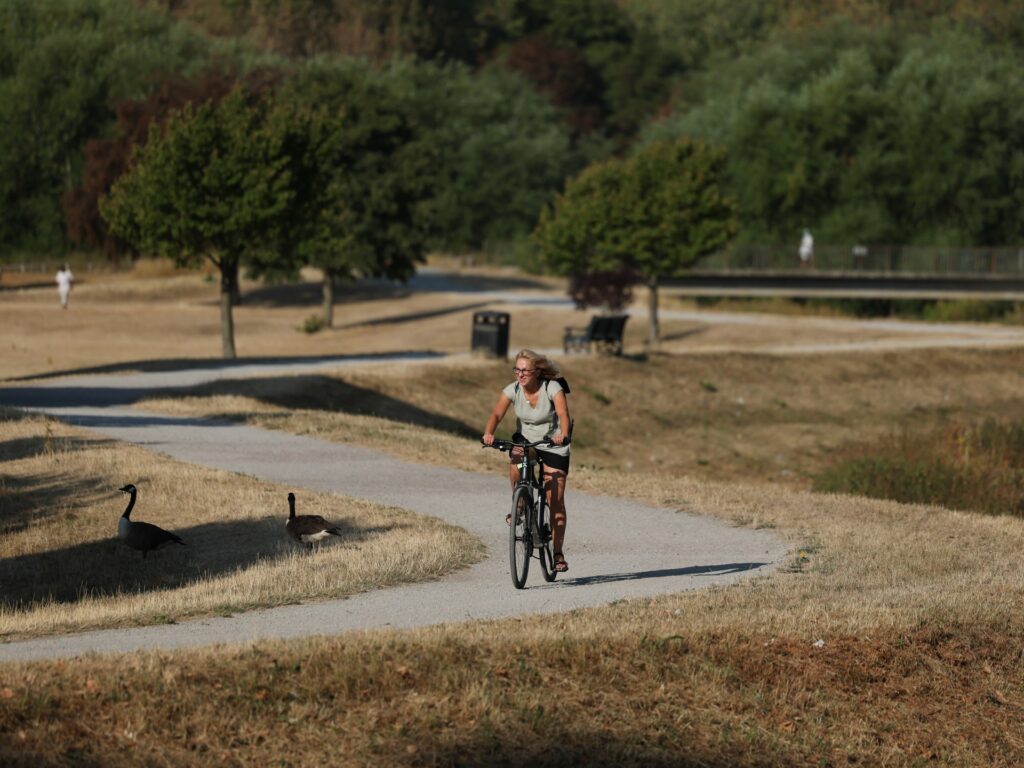
Europe is currently enduring unprecedented heat, with over 135 million people experiencing temperatures exceeding 35°C. This marks a significant and troubling development in the continent’s climate history, underscoring Europe as the fastest-warming continent globally.
The rising temperatures pose severe challenges for countries across Europe, many of which are not adequately prepared to handle such extreme heat. The infrastructure in several regions, including cooling systems and urban planning, is often insufficient to mitigate the impact of soaring temperatures. This leaves millions vulnerable, especially to heat-related illnesses and disruptions in daily life.
Experts highlight that Europe’s rapid warming is linked to broader global climate change trends. The increase in greenhouse gas emissions and changing weather patterns are contributing to more frequent and intense heatwaves.
In addition to public health risks, the heatwave threatens agriculture, energy supplies, and water resources. Crops are at risk of withering under prolonged heat, while the demand for electricity surges due to increased air conditioning usage. Water shortages may become more common in certain areas, exacerbating the crisis.
Cities are particularly vulnerable due to the urban heat island effect, where built environments absorb and retain heat more than rural areas. This effect intensifies temperatures, making cities like Madrid, Rome, and Paris some of the hottest spots during the heatwave.
Governments and communities are urged to take immediate action to adapt and respond to these extreme conditions. This includes investing in heat-resilient infrastructure, expanding green spaces, improving emergency response systems, and promoting public awareness about heat safety.
The European experience serves as a critical indicator of the urgent need to address climate change on a global scale. Without decisive action, the frequency and magnitude of such heat events are expected to rise, making them a persistent threat to health, economies, and ecosystems.
In conclusion, as temperatures continue to climb in Europe, the stakes are high. With over 135 million affected, coordinated efforts at the local, national, and international levels are essential to protect populations and build resilience against the mounting impacts of climate change.