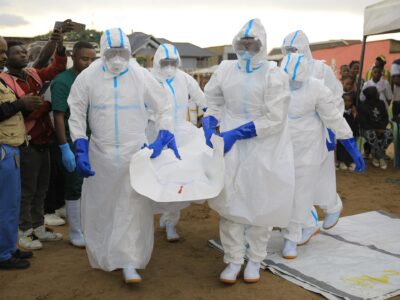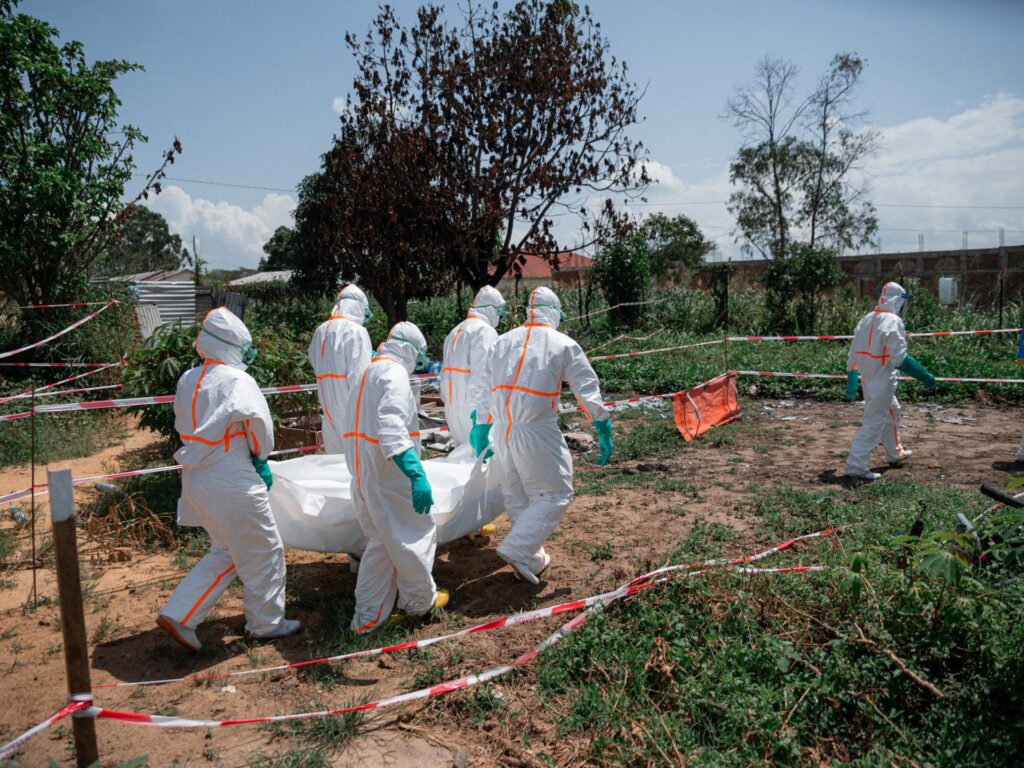
The Ebola outbreak in the Democratic Republic of Congo (DRC) has escalated, spreading to a sixth province and causing increasing concern among health officials and the international community. According to recent government figures, the outbreak has resulted in 2,128 deaths out of approximately 4,566 recorded cases.
This latest development marks a significant expansion of the epidemic, which initially affected fewer regions but has now breached new provincial boundaries, complicating containment efforts. The virus’s spread to additional provinces highlights the challenges faced by health workers on the ground, including difficulties in tracking cases, providing adequate treatment, and conducting effective contact tracing in diverse and often remote communities.
Ebola, a severe and often fatal illness, is transmitted to people from wild animals and spreads in the human population through human-to-human transmission. Symptoms typically include fever, vomiting, diarrhea, and hemorrhaging. The fatality rate varies by outbreak but can be as high as 90%.
The DRC government, alongside the World Health Organization (WHO) and other international partners, has been actively responding to the outbreak through vaccination campaigns, community engagement, and strengthening healthcare infrastructure. Despite these efforts, the ongoing spread indicates persistent transmission chains and the need for sustained vigilance.
Public health experts stress the importance of maintaining robust surveillance and rapid response measures to prevent further spread. This includes deploying rapid diagnostic testing, providing adequate personal protective equipment for healthcare workers, and ensuring community trust to facilitate early reporting of suspected cases.
The outbreak’s socio-economic impact is profound, disrupting local economies, healthcare systems, and daily life in affected areas. Fear and misinformation complicate response efforts, underscoring the necessity of clear, consistent communication from authorities.
Historical outbreaks in the DRC have been challenging to control due to the country’s vast geography and complex socio-political context, involving issues such as armed conflict and limited access to some regions. The current outbreak further tests the resilience and capacity of the DRC’s health system and the international community’s ability to respond to infectious disease emergencies.
As the situation evolves, continued international support and coordination remain critical. Strengthening cross-border surveillance and preparedness in neighboring countries is essential to prevent regional spread.
In conclusion, the Ebola outbreak in the DRC is a stark reminder of the ongoing threat posed by infectious diseases in vulnerable regions. The disease’s spread to a sixth province and high mortality rate highlight the urgent need for enhanced public health interventions and sustained global attention to protect communities at risk.