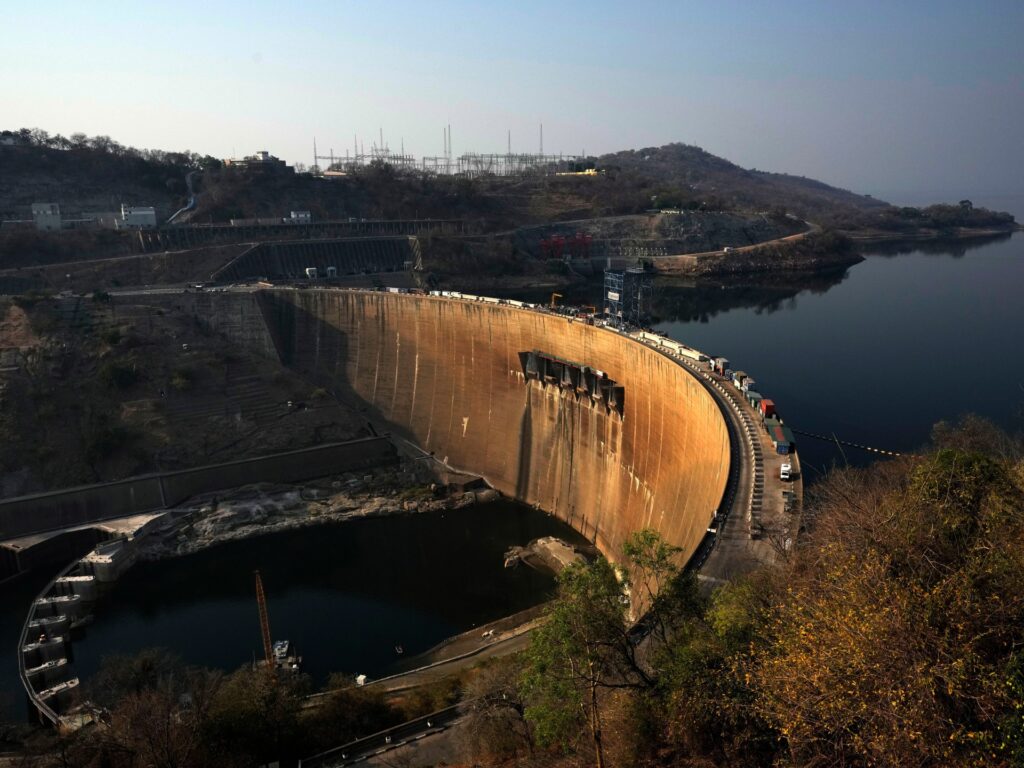
A tragic incident unfolded in Zimbabwe as a ferry capsized, resulting in the loss of at least 15 lives and leaving dozens of people missing. The disaster occurred on a vessel that was carrying more than its intended capacity, a factor believed to have contributed significantly to the accident.
According to Zimbabwe’s Civil Protection Unit, the ferry, which is designed to carry 90 passengers, was overloaded at the time of the capsizing. The exact number of people on board remains unclear, but reports suggest that the ferry was significantly over capacity, raising concerns about safety standards and enforcement.
The capsizing took place on a body of water that is commonly used for transportation by local communities. Ferries are a vital means of travel in regions where road infrastructure may be limited or underdeveloped. However, this incident highlights the risks posed when safety regulations are not strictly followed.
Emergency responders and rescue teams quickly arrived at the scene after receiving distress calls. Search and rescue operations have been launched to locate the missing individuals, but adverse water conditions and the ferry’s capsized position pose challenges to the efforts.
Local authorities have announced that investigations into the cause of the accident are underway. Early indications suggest that overloading may have caused stability issues, leading to the ferry tipping over. Additionally, the vessel’s maintenance status and the qualifications of the crew are also being examined.
Community members expressed their sorrow and frustration over the tragedy, calling for tighter safety controls and better enforcement of maritime regulations to prevent such accidents in the future. Families of the victims have been urged to cooperate with authorities while support services are being provided.
This catastrophe follows similar incidents in other parts of Africa where ferry safety has been a recurring concern. Overcrowding, poor maintenance, and inadequate safety equipment often contribute to such tragic events.
Government officials have vowed to strengthen oversight and enhance safety protocols for water transportation. Calls for public awareness campaigns on the dangers of overloading and the importance of following safety guidelines are also being made.
As rescue efforts continue, the thoughts of the nation remain with the families affected by this devastating event. The government has promised to provide assistance and to ensure justice is served in the wake of the tragedy.
This devastating ferry accident underlines the critical need for stringent safety enforcement and improved infrastructure to safeguard the lives of those relying on water transport in Zimbabwe and beyond.