In a significant escalation, an Israeli air strike targeted a tuk-tuk in the town of Beit Lahiya in northern Gaza, killing one person and injuring five others. This incident marks the first Israeli aerial bombardment in the region in a week, highlighting increasing tensions and potential for further conflict.
The strike took place amid ongoing hostilities and efforts to control the volatile situation in Gaza, a region often subject to conflict between Israeli forces and Palestinian groups. The victim killed in the strike was reportedly a civilian, and the wounded include individuals ranging from minors to adults.
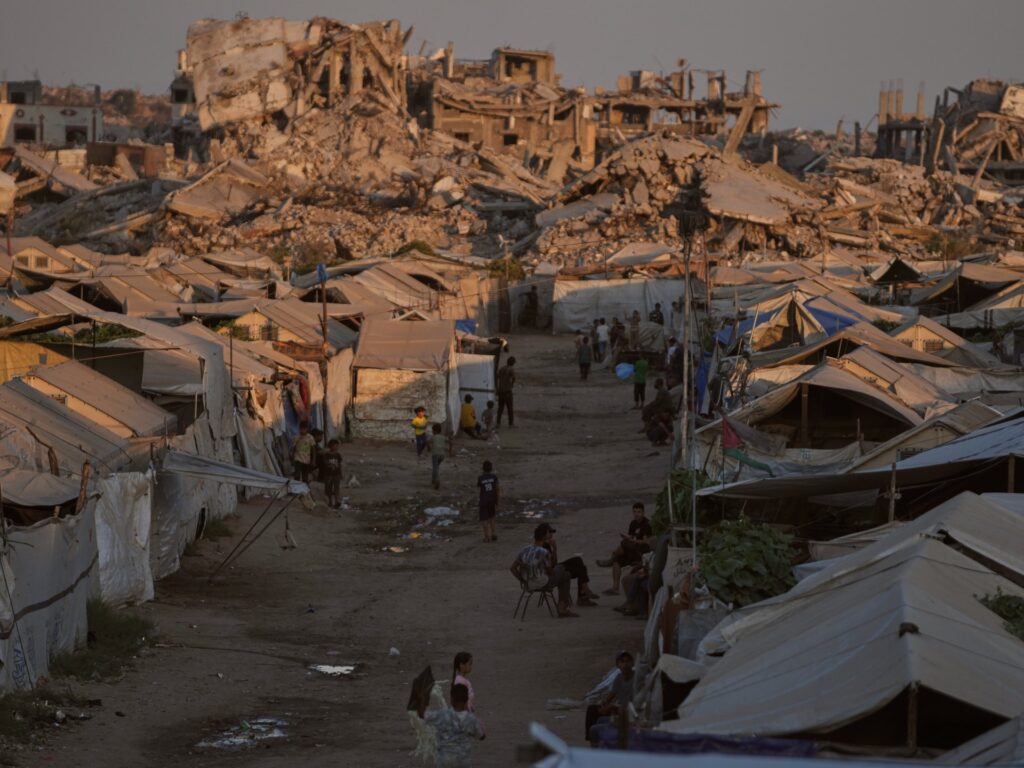
Beit Lahiya, located in the northern part of the Gaza Strip, has previously been the site of frequent clashes and strikes, making it a focal point for the humanitarian impact of the broader conflict. Rescue teams and medical personnel responded promptly, providing aid and transporting the injured to nearby hospitals for treatment.
The Israeli military has not yet released an official statement regarding the specific target or justification for the air strike, but past operations suggest the focus might be on suspected militant activity or infrastructure. This follows a week-long pause in aerial bombardments, raising concerns about a potential escalation.
International observers and human rights organizations have expressed concern over the increase in violence and the impact on civilians caught in conflict zones. The strike underscores the fragile nature of the ceasefire arrangements and the challenges in achieving lasting peace in the area.
Residents of northern Gaza have expressed fear and uncertainty as sporadic violence continues to disrupt daily life. Many families in Beit Lahiya are grappling with loss, injuries, and ongoing insecurity.
The incident has drawn calls from international leaders and organizations for restraint and renewed dialogue to prevent further loss of life and to pursue a peaceful resolution to the ongoing conflict.
This latest attack is a stark reminder of the instability in the region and the urgent need for diplomatic efforts to address the root causes of violence in Gaza and beyond. As the situation develops, the international community remains watchful and hopeful for steps toward de-escalation.