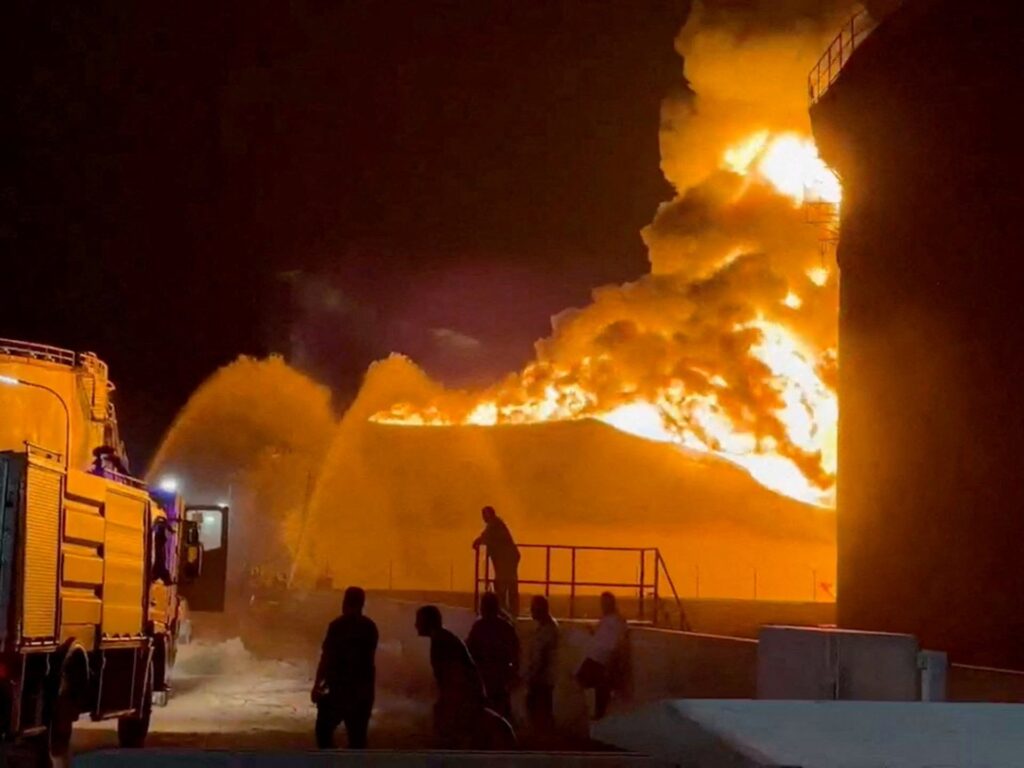
Libya is currently facing a worsening energy crisis as repeated drone attacks continue to target its vital oil and power infrastructure. These attacks have caused significant disruptions in the country’s energy supply, exacerbating an already fragile situation.
Libya, a key oil-producing nation in North Africa, relies heavily on its energy infrastructure to drive its economy and meet domestic energy demands. However, recent drone strikes have damaged critical facilities including oil fields, refineries, and power stations.
The continuous assault on energy assets has led to frequent power outages across the country and a sharp decline in oil production. This not only impacts the livelihoods of millions of Libyans but also affects global oil markets, given Libya’s role as an oil exporter.
The use of drones in these attacks marks a new phase in the ongoing conflicts within Libya, reflecting the increasing sophistication and accessibility of unmanned aerial technology in warfare.
Security forces have struggled to repel these attacks, which are often launched from various locations, making it hard to track and neutralize the threats promptly. The instability has also hindered repair and maintenance efforts, prolonging the downtime of critical infrastructure.
The damage to power stations has resulted in inconsistent electricity supply, impacting hospitals, businesses, and essential services. This has aggravated the humanitarian situation, with many communities facing daily disruptions to their access to energy.
Experts warn that if these attacks continue unabated, Libya’s energy crisis could deepen further, potentially leading to widespread social unrest and economic hardship.
International stakeholders have called for a ceasefire and increased protection for energy infrastructure, emphasizing the importance of these facilities for Libya’s recovery and stability.
Efforts to broker peace and restore security are ongoing, but the path to safeguarding Libya’s energy sector remains challenging amid the complex political and military landscape.
In summary, the persistent drone attacks on Libya’s energy infrastructure have not only disrupted oil production and electricity supply but have also intensified the country’s energy crisis, with far-reaching consequences for both the Libyan population and the broader region.