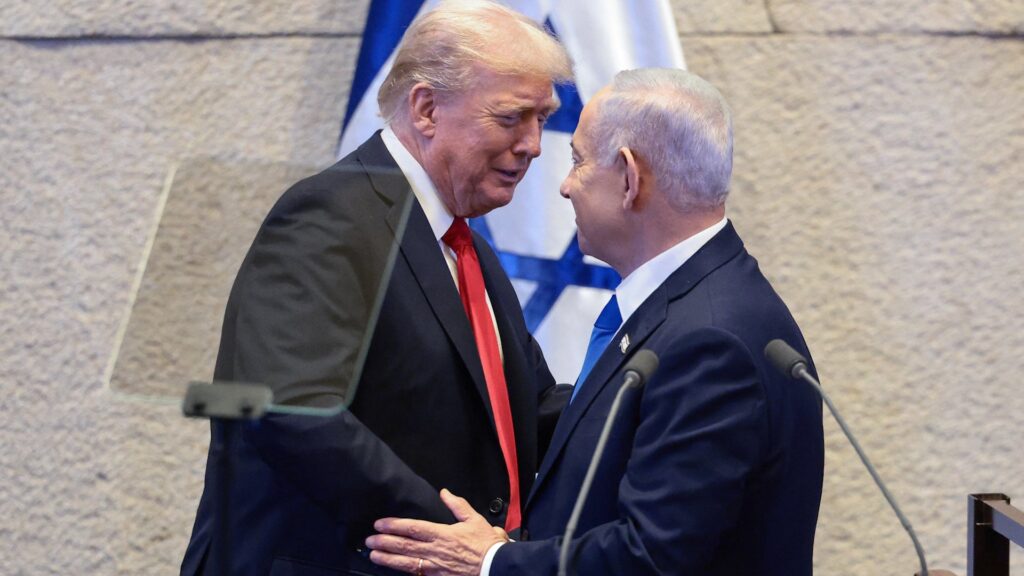
Tensions have surfaced between former U.S. President Donald Trump and Israeli Prime Minister Benjamin Netanyahu following Netanyahu’s rejection of Trump’s proposed Gaza peace plan. The disagreement highlights underlying strains in their relationship, raising questions about whether Trump can manage his frustrations diplomatically.
Donald Trump unveiled a peace proposal aimed at resolving the prolonged Israeli-Palestinian conflict, with a focus on the Gaza Strip region. However, Netanyahu’s decision to reject the plan has created a visible rift. Historically, Trump has maintained a close alliance with Netanyahu, supporting several key Israeli policies during his administration. Despite this, the current disagreement over the Gaza peace initiative exposes cracks in the partnership.
The Israeli Prime Minister’s dismissal of the plan stems from concerns over sovereignty, security, and political viability. Netanyahu has reportedly found elements of Trump’s proposal inadequate or misaligned with Israel’s strategic interests. This stance has irked Trump, who has publicly expressed irritation at the rejection.
Observers note that Trump’s response to Netanyahu’s rejection could affect diplomatic relations between the two leaders and their respective countries. Trump’s characteristic assertiveness and public commentary style might escalate tensions if not handled with restraint.
Experts suggest that effective conflict management in this context requires both leaders to engage in open dialogue and mutual understanding. Balancing political objectives while maintaining a strong bilateral relationship poses a significant challenge.
The stakes are particularly high given the complex security situation in Gaza and the broader Middle East peace process. Netanyahu, as Israel’s longest-serving Prime Minister, has a vested interest in safeguarding national security and upholding Israel’s interests.
Meanwhile, Trump, who remains an influential figure in U.S. politics and foreign policy debates, might find his future engagement with Israeli affairs influenced by current dynamics with Netanyahu.
In conclusion, whether Donald Trump can keep his irritation in check will depend on his diplomatic approach moving forward. Maintaining constructive communication and seeking common ground will be essential to preserving the historically close U.S.-Israel alliance amid policy disagreements.
This development underscores the challenges of navigating international alliances when divergent political strategies come to the fore, highlighting the need for careful diplomacy and mutual respect among world leaders.