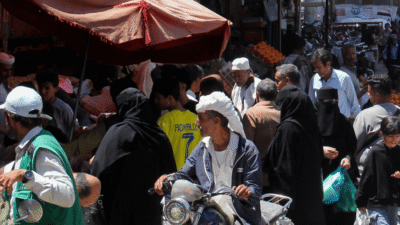
In a historic and emotionally charged moment, Syrians across various regions have come together to celebrate the death sentence pronounced against ousted President Bashar al-Assad. The court’s decision to sentence Assad to death in absentia marks a significant development in the long and tumultuous Syrian conflict, resonating deeply with many who suffered under his regime.
The news of the ruling instantly spread across social media platforms, where Syrians expressed a mixture of relief, justice, and vindication. For countless families who lost loved ones during the brutal civil war, this verdict symbolizes a form of closure and acknowledgment of their suffering.
Public celebrations erupted in several cities, with people gathering in squares and on streets, waving flags, chanting slogans, and expressing their hope for a future free from tyranny. Many protesters from earlier years of unrest see this as the culmination of their struggle against Assad’s government.
Human rights groups and international observers are closely watching the implications of this sentence and what it could mean for Syria’s justice system and post-conflict reconciliation efforts. While some caution that this ruling, being delivered in absentia, might not lead to actual enforcement, it undeniably places Assad in a position of further international isolation.
The legal proceedings that led to this sentence reflect ongoing efforts by segments of the Syrian opposition and judiciary to hold the former president accountable for war crimes and widespread human rights abuses committed during his regime. These crimes include the chemical attacks, mass bombings, and systematic repression of dissent.
Experts suggest that the death sentence might strengthen the morale of anti-Assad factions and encourage more vigorous calls for justice and rebuilding in Syria. It also highlights the unyielding demand for accountability that many Syrians have long sought.
Despite the celebration, some Syrians voice concerns about the country’s future stability and the challenges of nation-building after years of conflict. The diverse reactions underscore the complex realities facing Syria as it navigates its path forward.
This landmark judicial decision has reignited discussions about transitional justice, reconciliation, and the potential for healing a deeply fractured society. It affirms the persistent desire of Syrians for justice and peace.
As the world watches, Syrians remain hopeful that this verdict signals a new chapter where justice and human rights prevail over repression and violence. The death sentence of Bashar al-Assad is thus seen by many not just as a punishment, but as a symbolic victory for truth, accountability, and the enduring spirit of a people determined to reclaim their country.