The Democratic Republic of the Congo (DRC) is grappling with its deadliest Ebola outbreak to date, as the death toll has surpassed 2,000. Authorities have confirmed a total of 4,381 cases across five provinces as of Tuesday, marking the fastest-growing Ebola epidemic ever recorded.
This unprecedented outbreak poses a significant challenge to healthcare systems and emergency response teams in the region. The spread has been rapid, overwhelming local medical facilities and complicating efforts to contain the virus. The affected provinces include some of the most densely populated areas of the country, which has further accelerated transmission rates.
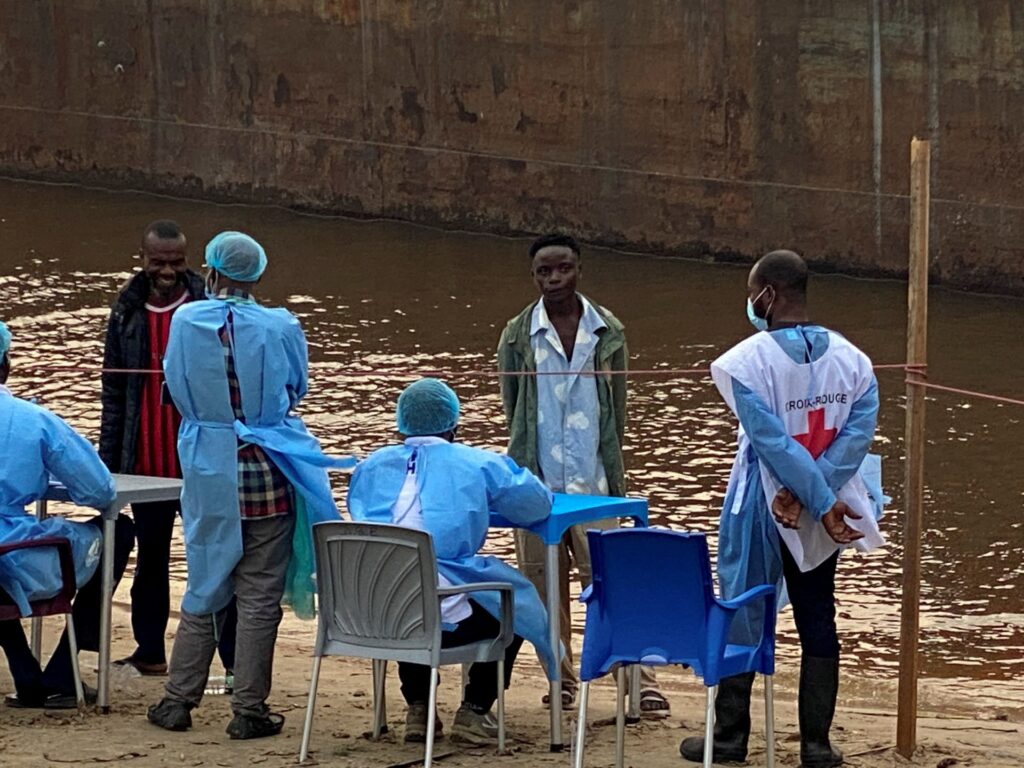
Healthcare workers continue their tireless efforts to manage and treat patients, despite shortages of medical supplies and protective equipment. International organizations and governments worldwide have mobilized additional support, including funding, personnel, and vaccines, in a bid to curb the outbreak.
The sheer scale of the epidemic has necessitated novel approaches to disease surveillance and community engagement. Public health officials are working closely with local leaders to educate communities about prevention measures, symptoms recognition, and the importance of seeking prompt medical care.
Challenges such as misinformation, fear, and distrust within affected communities have hindered response efforts, occasionally leading to resistance against health interventions. Authorities are addressing these issues by promoting transparent communication and involving trusted community figures in outreach programs.
Vaccination campaigns have been accelerated, utilizing newly developed Ebola vaccines that show promise in controlling the spread of the disease. However, logistical obstacles remain, including reaching remote and conflict-affected areas where the virus is spreading.
The outbreak’s impact extends beyond health, affecting social and economic stability in the affected provinces. Quarantines and movement restrictions have disrupted trade and access to essential services, while the loss of life has devastated families and communities.
Despite these hardships, ongoing research and global collaboration provide hope that this severe outbreak can be brought under control. Health officials emphasize the importance of sustained investment in epidemic preparedness and response to prevent future crises.
The situation in the DRC highlights the critical need for robust public health infrastructure, effective international cooperation, and community engagement in combating infectious diseases. As the death toll rises, the global health community remains vigilant in supporting efforts to contain and ultimately end this devastating Ebola outbreak.