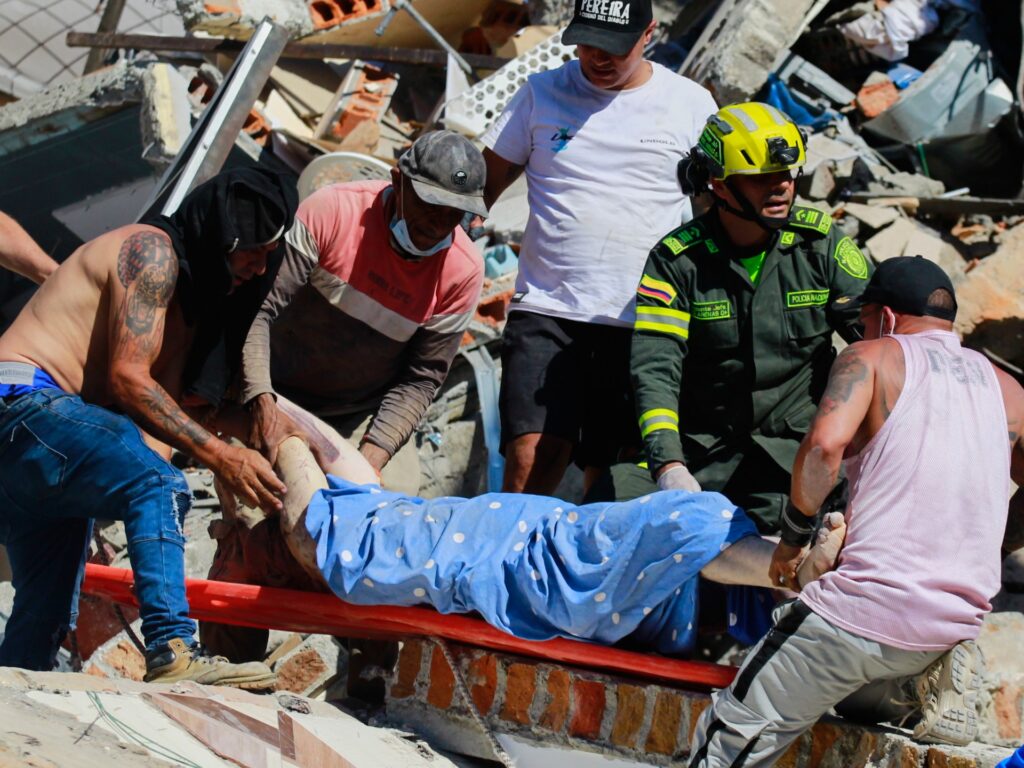
A devastating magnitude 7.4 earthquake struck western Colombia, causing widespread destruction and leaving the nation in shock. The natural disaster resulted in at least 132 confirmed fatalities, with emergency teams scrambling to locate more than 2,700 individuals reported missing amid the rubble.
The earthquake, which occurred in the early hours, originated in a region known for its seismic activity but caught many communities unprepared due to its unexpected intensity. Buildings collapsed, roads cracked open, and critical infrastructure suffered tremendous damage, complicating rescue operations.
Authorities have mobilized the military, police, and various emergency response units to assist in search and rescue missions. Helicopters and drones have been deployed to survey the hardest-hit areas and assess the scale of destruction from above.
Local hospitals are overwhelmed, treating hundreds of injured individuals, while temporary shelters have been established to provide relief to those displaced by the quake. Aid organizations are coordinating efforts to deliver food, water, and medical supplies to affected populations.
The Colombian government has declared a national state of emergency, urging international assistance to cope with the disaster’s aftermath. Experts warn that aftershocks may continue to pose risks, making rescue efforts more perilous.
Communities remain on high alert as they band together to support survivors and rebuild their homes. The earthquake serves as a sobering reminder of the region’s vulnerability to seismic events and the importance of preparedness and resilient infrastructure.
As rescue teams work tirelessly, the nation mourns the lives lost and hopes for the safe recovery of those still missing. The coming days will be critical in providing aid, restoring services, and beginning the long process of recovery and reconstruction in Colombia.