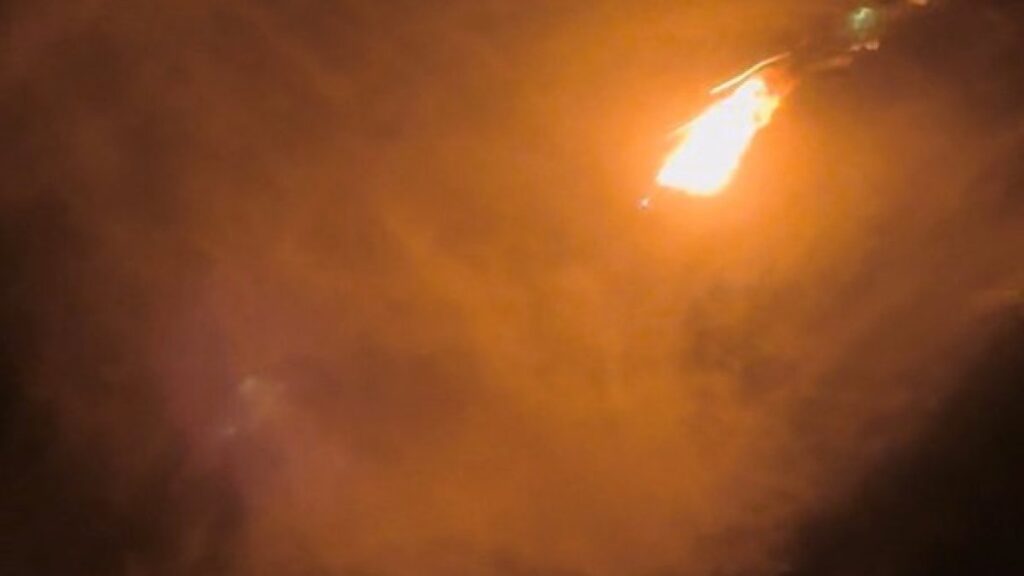
China’s Long March 7A rocket experienced a catastrophic failure and exploded shortly after lift-off from the Wenchang launch site in Hainan. The incident has raised significant concerns regarding the safety and reliability of China’s rocket technology. The Long March series of rockets are a critical component of China’s space program, designed to carry satellites and other payloads into orbit.
The launch, which was eagerly anticipated, was intended to demonstrate advancements in the Long March 7A variant, aimed at improving payload capacity and mission versatility. However, the explosion has put these goals in jeopardy and may lead to a comprehensive investigation to determine the root causes.
Wenchang, located on the southern island province of Hainan, is one of China’s key launch sites, known for supporting missions that require trajectories over the ocean for safety reasons. The failure of a rocket at this site is particularly unfortunate given the investment and strategic importance.
Initial reports suggest that the rocket broke apart moments after ignition, preventing any further stages of the mission from proceeding. Investigators will examine telemetry data, debris, and any other evidence to uncover whether the failure resulted from mechanical defects, fuel issues, or other technical malfunctions.
This explosion is a setback for China’s ambitious space exploration and satellite deployment plans. The Long March family of rockets has historically enjoyed a reputation of reliability, which makes this incident especially noteworthy.
Authorities have not yet confirmed if there were any casualties or damages beyond the rocket itself. Emergency response teams were quick to engage, and the area around the launch site was secured.
The timing of the failure is critical as China continues to build its space station and expand its presence in orbit. This incident might delay scheduled launches and could affect international collaborations and satellite launches designated to use Chinese launch services.
Many experts believe that setbacks like this, while unfortunate, are part of the complex nature of rocket science and space exploration. They hope that the lessons learned from this incident will lead to improvements in safety protocols and engineering practices.
In summary, the explosion of the Long March 7A rocket after lift-off from the Wenchang launch site is a significant event in China’s space program trajectory. It underscores the challenges inherent in space missions and reflects the need for continual vigilance in rocket design and testing. Further updates and investigations are awaited to provide clarity on the causes and implications for the future of Chinese space endeavors.