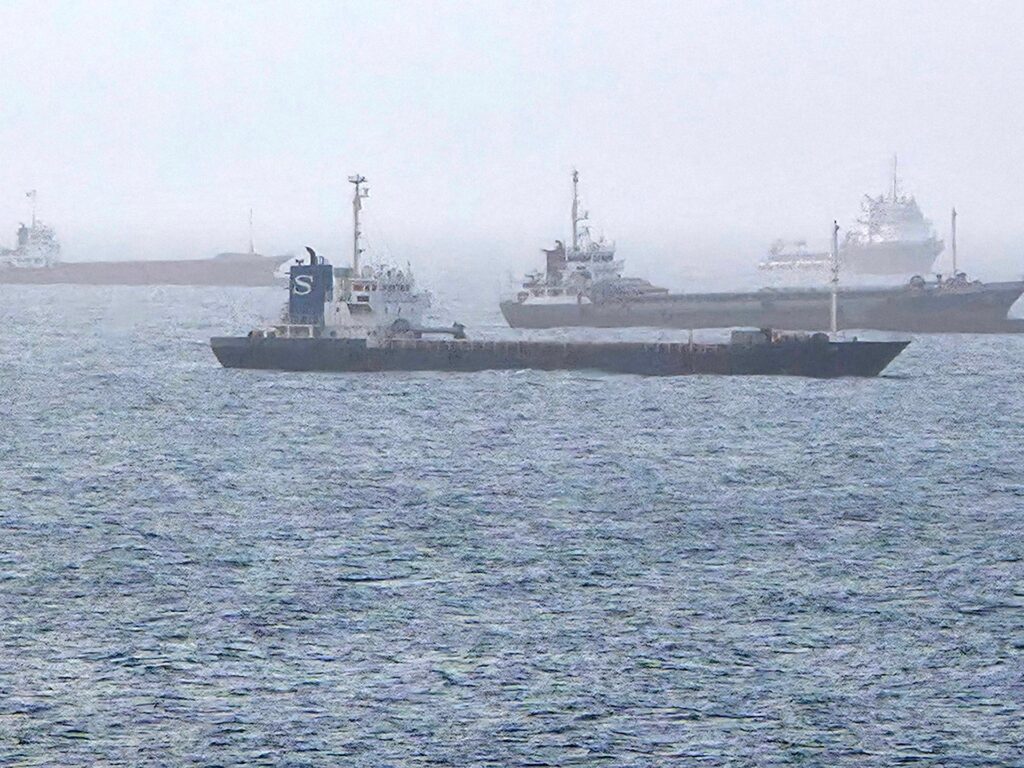
Tensions in the Middle East remain high as the situation around the Strait of Hormuz continues to dominate international headlines. Tehran has firmly declared that there is “no military solution” to the ongoing standoff regarding the reopening of the strategic waterway, signaling a preference for diplomatic or economic measures over direct conflict. The Strait of Hormuz, a vital artery for global oil shipments, has been a flashpoint for geopolitical tensions, with Iran controlling one of the world’s busiest maritime chokepoints.
In parallel developments, former U.S. President Donald Trump has outlined that the United States intends to hold off on direct military engagement, choosing instead to allow economic pressure on Iran to build. Trump emphasized a strategy focused on sanctions and financial restrictions, highlighting the importance of economic leverage in compelling Tehran to change its policies or behavior.
Meanwhile, Israel has taken a clear stance on the ongoing conflict in Gaza by formally rejecting a 15-point peace plan aimed at ceasing hostilities and restoring stability. Israel’s rejection underscores the deep complexities and unresolved issues in the region’s long-standing conflicts, where peace proposals often face significant hurdles.
Iran’s insistence that military action is not the solution to reopening the Strait of Hormuz reflects the broader regional and global desire to avoid escalation into full-scale war. The international community continues to call for dialogue and de-escalation, particularly concerning one of the world’s most strategically critical sea passages.
Trump’s approach of leveraging economic sanctions marks a continuation of U.S. policy aimed at pressuring Iran without immediate recourse to armed conflict. However, the effectiveness and humanitarian impact of these measures remain topics of intense debate.
Israel’s rejection of the peace plan adds another layer of complexity to an already volatile situation. The 15-point plan, crafted with input from various international actors, sought to address key security and humanitarian concerns in Gaza. Israel’s refusal to endorse the initiative highlights persistent mistrust and divergent priorities between the parties involved.
The ongoing developments in the Strait of Hormuz, combined with the strained Israeli-Gaza relations and U.S. positioning, illustrate the fragile and multifaceted nature of Middle Eastern geopolitics. As international actors watch closely, the potential for either diplomatic breakthroughs or further confrontations remains uncertain.
Given the interconnectedness of these issues, any shifts in policy or action by Iran, the United States, or Israel will have repercussions across the region and beyond, affecting global energy markets, security alliances, and diplomatic relations.
Stakeholders worldwide are urging calm and continuation of negotiations, recognizing that the high stakes require careful management to avoid unintended consequences. The coming days and weeks are expected to be critical in shaping the future trajectory of peace and conflict in this sensitive region.