Pakistan-administered Kashmir is currently experiencing its most significant political crisis in years, marked by widespread unrest and deep-rooted tensions. Several factors are driving this instability, contributing to the volatile situation in the region.
1. Historical Context and Territorial Disputes:
The Kashmir region has long been a flashpoint between India and Pakistan, both countries claiming it in full but controlling only parts. This territorial dispute dates back to 1947, following the partition of British India. Pakistan-administered Kashmir, known locally as Azad Jammu and Kashmir, holds strategic and symbolic importance for Pakistan.
2. Political Marginalization and Governance Issues:
Residents of Pakistan-administered Kashmir have expressed frustration over political marginalization. Critics argue that local political leaders have limited autonomy, as Islamabad exerts significant control over administrative and political affairs. This perceived lack of genuine self-rule fuels dissatisfaction among the populace.
3. Economic Hardship:
Economic challenges also play a central role in fueling unrest. Pakistan-administered Kashmir faces high rates of unemployment, limited investment, and inadequate infrastructure development. Such economic stagnation contributes to grievances, especially among young people who see few opportunities for advancement.
4. Human Rights Concerns:
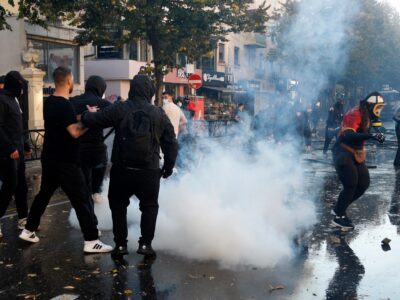
Reports from the region have highlighted issues related to human rights abuses, including allegations of crackdowns against protesters and opposition figures. These reports have stirred protests and intensified calls for greater freedoms and accountability from governing authorities.
5. Regional and International Dynamics:
The broader geopolitical rivalry between India and Pakistan profoundly impacts Kashmir’s stability. Pakistan’s support for certain militant groups and India’s security measures in the nearby Indian-administered Jammu and Kashmir add layers of complexity and tension. Meanwhile, international actors often call for peaceful dialogue and resolution, although progress remains limited.
6. Social and Cultural Factors:
The identity and cultural aspirations of the Kashmiri people in Pakistan-administered areas also influence the unrest. Many demand recognition of their distinct identity and greater cultural rights, which are seen as being suppressed.
7. Trigger Events:
Recent trigger events, such as controversial government decisions, violent incidents, or inflammatory rhetoric, have acted as catalysts, escalating emotions and protests across the region.
In summary, the unrest in Pakistan-administered Kashmir stems from a combination of historical grievances, political disenfranchisement, economic difficulties, human rights concerns, and complex regional dynamics. Addressing these challenges requires a multifaceted approach that includes political dialogue, economic development, and respect for human rights, alongside efforts to ease the broader India-Pakistan dispute over Kashmir.