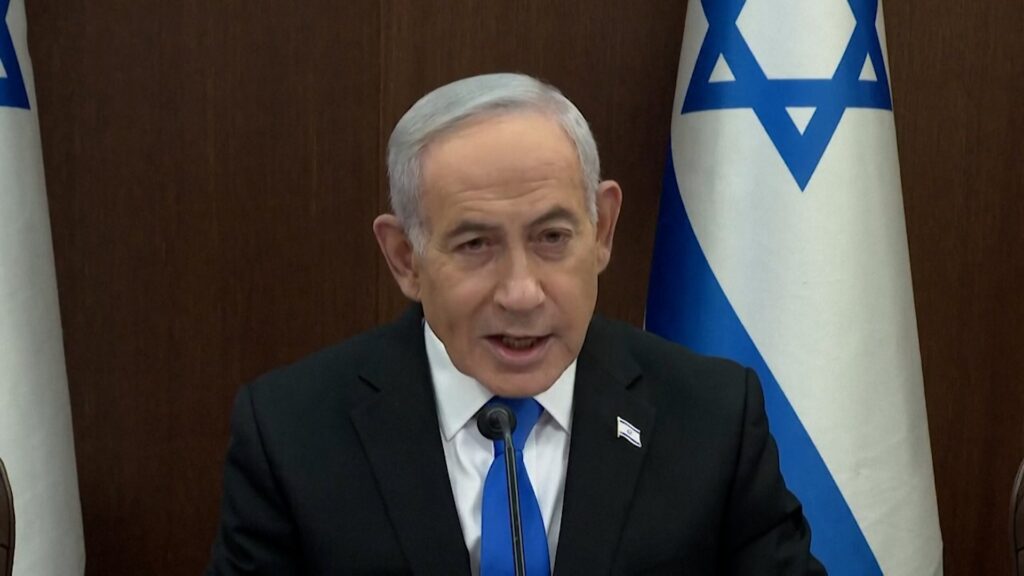
Israeli Prime Minister Benjamin Netanyahu has officially rejected former U.S. President Donald Trump’s proposed Board of Peace plan for the Gaza Strip. The plan, consisting of 15 points aimed at resolving the ongoing conflict between Israel and Gaza, has not received endorsement from Israel’s leadership. Netanyahu’s refusal signals continued complexities in achieving peace in the troubled region.
Donald Trump’s administration put forward the 15-point plan as a strategic framework intended to establish peace and security between Israel and the Gaza territory. With the escalation of conflicts and humanitarian crises in Gaza, the plan aimed to address key issues by promoting cooperation and rebuilding efforts. However, the proposal lacked acceptance by Israel’s Prime Minister, which may affect the future diplomatic process.
Netanyahu’s rejection underscores the deep division and differing perspectives on how to best achieve a lasting peace in the region. Israel has repeatedly expressed concerns about the security implications and political ramifications of various peace proposals over the years. The refusal to accept Trump’s plan reflects ongoing mistrust and unresolved competing interests.
The Gaza Strip remains one of the most volatile and contested areas, with numerous conflicts between Israeli forces and Palestinian groups such as Hamas, which governs the area. Efforts by international actors to mediate and implement peace initiatives have faced significant hurdles, including entrenched political positions and repeated outbreaks of violence.
Netanyahu’s decision may impact future negotiations and influence the stance of other countries involved in peace efforts. The international community continues to seek viable solutions to the humanitarian crisis and instability in Gaza. The rejection invites questions about the effectiveness of the Trump-era proposal and the potential need for alternative approaches.
In conclusion, the refusal by Israel’s Prime Minister Benjamin Netanyahu to adopt Trump’s 15-point Board of Peace plan for Gaza highlights ongoing challenges in resolving the conflict. While the plan was designed to foster peace and rebuild the region, the lack of consensus among key parties emphasizes the difficulty of navigating political, territorial, and security disputes. Continued dialogue and innovative diplomacy remain critical for the future of Gaza and the broader Israeli-Palestinian relations.