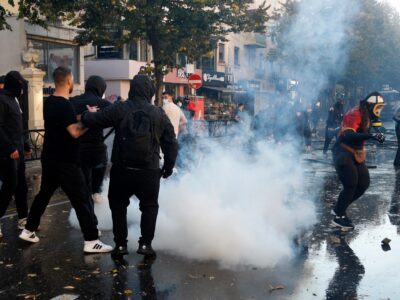
A disturbing video has recently gone viral, showing a woman screaming in fear as recruitment officers allegedly pounce on a man for the Ukraine war. This footage has ignited fresh concerns about the recruitment methods being employed, particularly regarding the so-called “busification” process and the potential abuses by recruitment officers.
The video captures a chaotic scene where recruitment officials appear to aggressively approach and detain a young man, causing visible distress to onlookers, including a woman who is heard screaming in panic. This incident, shared widely on social media platforms, has sparked an intense debate over the ethics and legality of Ukraine’s current conscription practices.
“Busification” refers to the practice of quickly mobilizing conscripts by transporting them en masse via buses to military outposts without adequate prior notice or preparation. Critics argue that this method pressures individuals into enlistment with little time for personal or familial consideration, raising serious human rights concerns.
Several eyewitnesses and advocacy groups have come forward following the video’s circulation, alleging that these recruitment officers often resort to intimidation and even physical force to meet conscription quotas. Such claims have prompted calls for independent investigations into recruitment protocols amid ongoing conflict tensions.
Ukraine has been grappling with increased military demands due to intensified conflict on its eastern borders. Authorities argue that rapid mobilization is necessary for national security and defense, but the backlash over recruitment tactics underscores the urgent need for clear regulations and oversight.
Legal experts have weighed in, emphasizing that while compulsory military service is a legitimate state function during conflict, it must be conducted within the framework of human rights and international law. They caution against any form of coercion that violates individual freedoms or safety.
The Ministry of Defense in Ukraine has responded to the viral video by promising a thorough review of recruitment practices and reiterating its commitment to lawful conscription procedures. However, skepticism remains among civil society groups and the public who demand greater transparency.
Human rights organizations have called on international bodies to monitor the situation closely, warning that unchecked recruitment abuses could exacerbate trauma and social unrest within affected communities.
This incident has also brought attention to the broader psychological and societal impacts of wartime recruitment on families and communities, highlighting the need for support services and effective communication channels.
Analysts see this viral episode as a pivotal moment that could influence Ukraine’s military and political strategies concerning volunteer enlistment and national defense mobilization.
As the Ukraine conflict continues to evolve, ensuring ethical and respectful treatment of conscripts will remain a critical challenge for policymakers and military officials alike.
It remains to be seen how the Ukrainian government will address public concerns while balancing the strategic necessity of its military operations during these turbulent times.