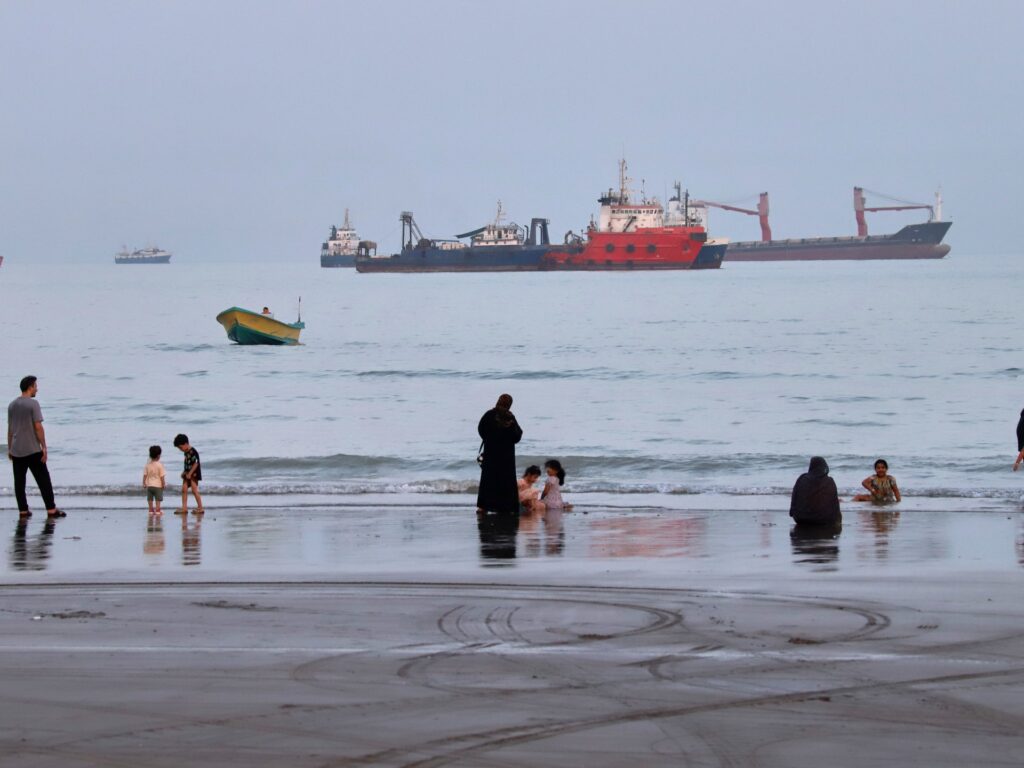
In a significant development in Middle Eastern diplomacy, Iran and Oman have agreed on a framework concerning the strategic Strait of Hormuz. This agreement comes as a pivotal step towards enhancing regional security and cooperation in one of the world’s most critical maritime chokepoints. The Strait of Hormuz is vital for global oil shipments, and stability in this area is crucial for the international energy market.
According to sources close to the negotiations, the framework outlines measures aimed at securing navigation and reducing tensions around the strait. Both countries emphasize the importance of peaceful passage and have committed to cooperating more closely on maritime security matters. The deal, however, is not yet finalized; high-level approval from Tehran remains pending.
Officials from Oman have expressed optimism about the agreement, noting that it could serve as a confidence-building measure between Tehran and other Gulf countries. The Sultanate of Oman has historically played a mediating role in regional disputes, leveraging its neutral stance and diplomatic channels to facilitate dialogue.
From Iran’s perspective, the framework is seen as a way to assert its role in ensuring the security of the Hormuz corridor while addressing international concerns about the safe passage of commercial vessels. Tehran’s final endorsement is awaited to ratify the agreement officially and begin its implementation.
The international community watches closely, as developments in the Strait of Hormuz directly impact global markets and geopolitical dynamics. Stability in this maritime passage is essential for the uninterrupted flow of energy resources, and any escalation can have far-reaching consequences.
This deal between Iran and Oman could pave the way for broader regional cooperation, potentially involving other Gulf Cooperation Council (GCC) members and international stakeholders. Observers hope that final approval from Tehran will soon be granted, allowing both nations to move forward with their plans and contribute to peace and security in the Persian Gulf region.