Israel’s ongoing occupation of Palestinian territories has entrenched a cycle of resistance and conflict that continues to fuel tension in the region. This cycle, rooted in decades of political, social, and military dynamics, underscores the complexity and persistence of the Israeli-Palestinian conflict.
Since the occupation began following the 1967 Six-Day War, Israel has maintained control over the West Bank, Gaza Strip, and East Jerusalem. This control has involved military presence, settlements, checkpoints, and restrictions on movement, which Palestinians argue undermines their rights and sovereignty.
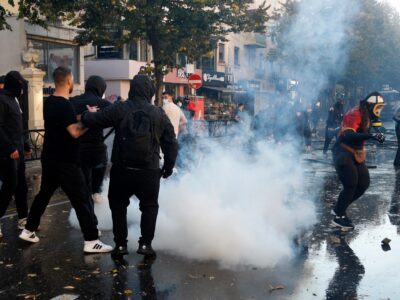
The occupation has led to widespread resentment among Palestinians, who experience daily hardships such as limited access to resources, restricted economic opportunities, and frequent confrontations with Israeli security forces. These conditions foster anger and frustration that often manifest in various forms of resistance—from peaceful protests to violent clashes.
Resistance, in turn, has often been met with harsh military responses from Israel, including raids, arrests, and use of force, perpetuating the perception among Palestinians of occupation as a form of oppression and injustice. Each cycle of conflict breeds further distrust and animosity on both sides, hardening attitudes and diminishing prospects for peace.
Internationally, the occupation remains a contentious issue. Global opinions vary, but many human rights organizations and international bodies have condemned settlement expansions and actions that violate international law. Yet, attempts at mediation have repeatedly stalled, often due to disagreements over key issues such as borders, the status of Jerusalem, and the right of return for refugees.
Israel’s security concerns, given history of attacks and hostility from various groups, are legitimate factors influencing its policies. However, the cycle of occupation and resistance shows that military control alone does not secure lasting peace or stability.
The cycle Israel finds itself in is essentially one of self-reinforcement: occupation leads to resistance; resistance provokes increased security measures; these measures deepen the occupation’s impact; and thus more resistance emerges. This dynamic makes it clear that addressing the underlying causes—such as political rights, economic conditions, and recognition of Palestinian self-determination—is essential.
Breaking free from this cycle requires courageous leadership, both Israeli and Palestinian, willing to engage in genuine dialogue and compromise. It also necessitates broader international engagement that supports constructive peace efforts and holds parties accountable to human rights standards.
Ultimately, the goal must be a just and lasting resolution that respects the dignity and rights of all involved, ending a cycle that has brought so much suffering and division to the region. Until then, Israel remains caught in the cycle it created, and the resistance it fuels will continue.
Understanding this cycle and the factors that sustain it is key to unlocking a future where peace and coexistence become possible. The path forward is challenging but imperative for the stability of the region and the well-being of its people.