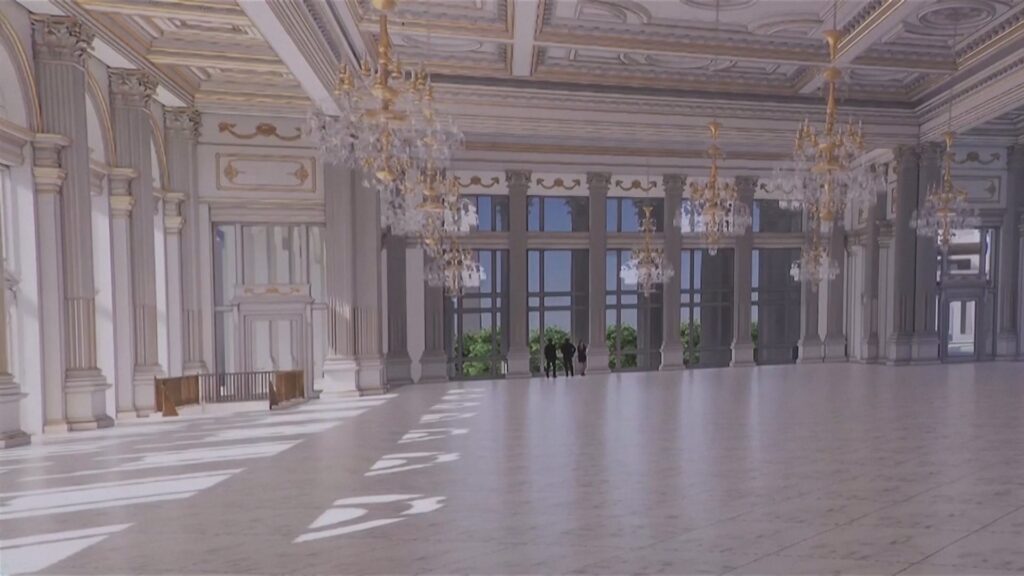
In a significant legal development, a federal appeals court has issued an order to halt construction on a new ballroom project planned for the White House during President Donald Trump’s administration. This decision temporarily stops the ongoing progress of the construction, signaling judicial intervention in what has become a contentious issue.
The project, which aimed to enhance the White House’s event hosting capabilities with a new ballroom, faced multiple challenges and criticisms from various stakeholders. Concerns raised included potential impacts on the historic nature of the White House, budgetary questions, and procedural issues related to the approval and oversight of the project.
The appeals court’s ruling came after a review of submissions and arguments from parties opposing and supporting the construction. The plaintiffs argued that the building process violated certain federal regulations and that the administration did not properly consider environmental and historic preservation standards. The court found sufficient grounds to pause the work until these concerns could be fully addressed through further legal scrutiny.
This legal intervention highlights the checks and balances that operate within the US governance system, particularly when it involves modifications to iconic and historically significant government properties. The White House ballroom project, intended to serve as a venue for official gatherings and events, now faces uncertainty as the administration must respond to the court’s directives.
Opponents of the construction have praised the court’s action, seeing it as a necessary step to preserve the White House’s integrity and ensure responsible use of public funds. Supporters argue that the enhancement is needed to modernize the historic residence’s functionality for contemporary needs.
The case has attracted widespread media attention and public debate, spotlighting broader issues related to historical preservation, administrative oversight, and the balance between tradition and modernization in government facilities.
As the legal process unfolds, future developments will depend on how the administration addresses the court’s concerns and whether the construction can proceed under revised conditions or if the project will be permanently altered or abandoned.
This incident serves as a reminder of the complex intersection of law, politics, and heritage management, especially within the highest echelons of the US government.