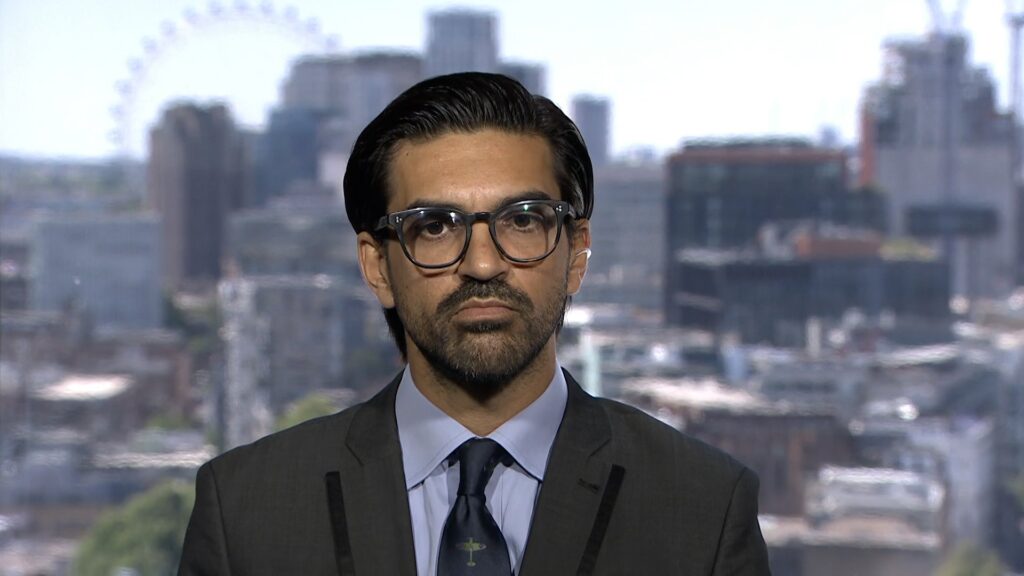
A groundbreaking defence pact has been forged between Saudi Arabia, Pakistan, and Turkiye, signaling a pivotal shift in geopolitical alliances that challenges the long-standing strategic dominance of the United States in the region. Defence analyst Alex Alfirraz Scheers points to this agreement as a clear indicator of a changing landscape in international security collaborations.
The trilateral defence agreement brings together three influential Muslim-majority countries, each with significant regional and strategic importance. Saudi Arabia, a key player in the Middle East with vast economic resources and political influence; Pakistan, a nuclear-armed nation with a complex geopolitical position adjacent to Afghanistan, India, and China; and Turkiye, a bridge between Europe and Asia with a historically strategic role in NATO, are now aligning their defence policies more closely.
Experts view this development as a challenge to the traditional US role as a guarantor of security and stability in these regions. Typically, the US has maintained extensive military partnerships and bases, leveraging these for influence in Middle Eastern, South Asian, and Eurasian affairs. However, the new pact suggests a shift towards more autonomous defence collaboration among these nations, reducing their historical dependency on Western security frameworks.
Alex Alfirraz Scheers highlights that the agreement reflects a shared desire among the three countries to assert greater control over their security matters, develop indigenous defence capabilities, and foster mutual trust in military cooperation.
Historically, the US has invested heavily in Saudi Arabia’s defence sector, supplying advanced weaponry and training under bilateral agreements. Similarly, Pakistan has depended significantly on American military aid and equipment, despite fluctuating relations. Turkiye’s role in NATO has also been a critical aspect of US strategy to maintain influence over regional security.
The Saudi Arabia-Pakistan-Turkiye pact, however, indicates a willingness to diversify partnerships and explore new avenues of defence cooperation that are independent of US oversight. This realignment may affect global power dynamics, including the US military footprint and influence in the region.
Analysts predict that this pact could lead to increased joint military exercises, intelligence sharing, and technology transfer between the three nations. It may also influence their stances on regional conflicts and global security issues, fostering a united front that prioritizes their own strategic interests over those of external powers.
The pact underscores a broader trend of emerging powers consolidating their influence through regional alliances. It signals a tectonic shift in diplomatic and defence paradigms that could reshape the future of international alliances, security cooperation, and geopolitical balances.
For the United States, this realignment is a warning sign that some of its traditional allies and partners are seeking alternative frameworks to secure their national interests. It highlights the urgency for Washington to reassess its strategies and engage diplomatically with a more multipolar world order.
As the implications of this defence agreement continue to unfold, the international community will be watching closely. The outcomes will likely have profound consequences for regional peace, global security architectures, and the balance of power in the twenty-first century.