In ongoing tensions surrounding the Iran conflict, significant developments have emerged involving the United States, Iran, and Oman. A temporary agreement is reportedly nearing completion to reopen the strategically vital Strait of Hormuz, a crucial waterway for global oil transportation.
Former President Donald Trump has also weighed in on the situation, expressing his opinion that Iran cannot continue its current stance for much longer. His comments add a layer of political insight and urgency to the unfolding events.
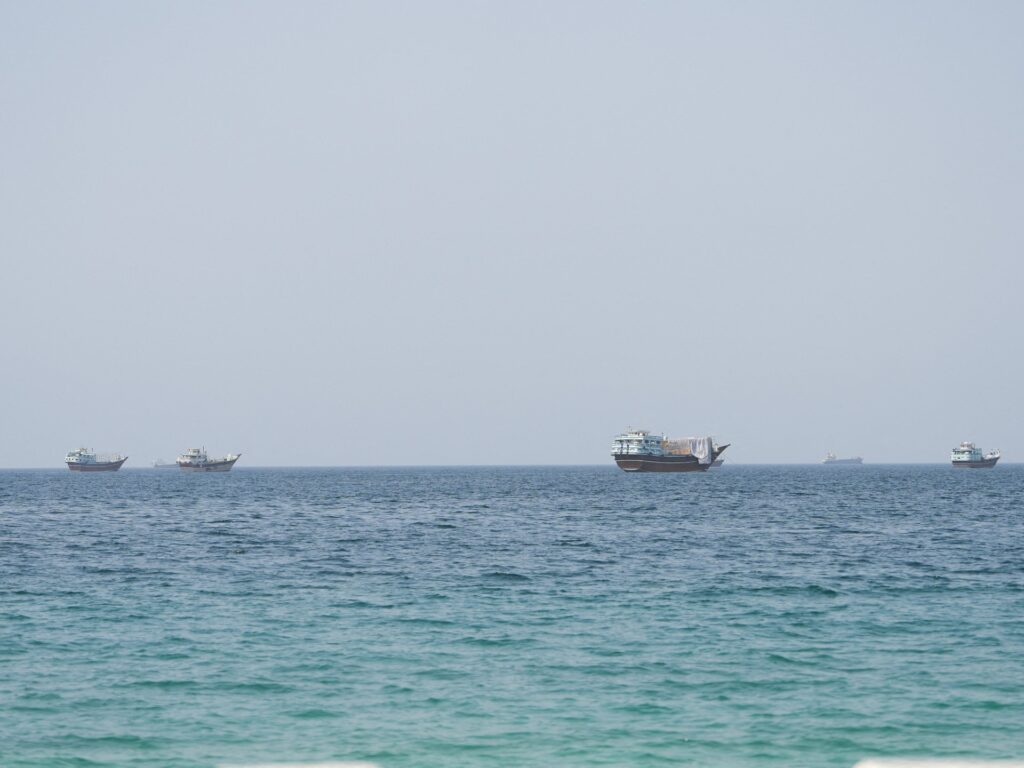
The Strait of Hormuz, located between Oman and Iran, is a pivotal maritime route where a significant portion of the world’s petroleum passes. The recent closure or blockage threats have caused global economic concerns due to the potential disruption in oil supply chains.
Diplomatic negotiations have been intense, with Oman playing a mediating role between the US and Iran. This trilateral effort highlights the complex geopolitics of the region, where strategic interests and security concerns converge.
If the deal to reopen the Strait of Hormuz materializes, it could temporarily ease tensions and stabilize oil markets, providing relief to economies worldwide that depend on oil imports.
This development follows a series of confrontations and escalating rhetoric in the region, emphasizing the importance of diplomatic channels in resolving conflicts. Stakeholders globally are closely monitoring the negotiations, as the outcome will have significant implications for international trade and security.
In summary, the close-to-finalized deal to reopen the Strait of Hormuz signals a hopeful step toward de-escalation. Meanwhile, Trump’s assertion about Iran’s limited endurance under current pressures underscores the urgency and volatility of the situation. The world awaits confirmation of the agreement and its potential impact on the ongoing Iran conflict.