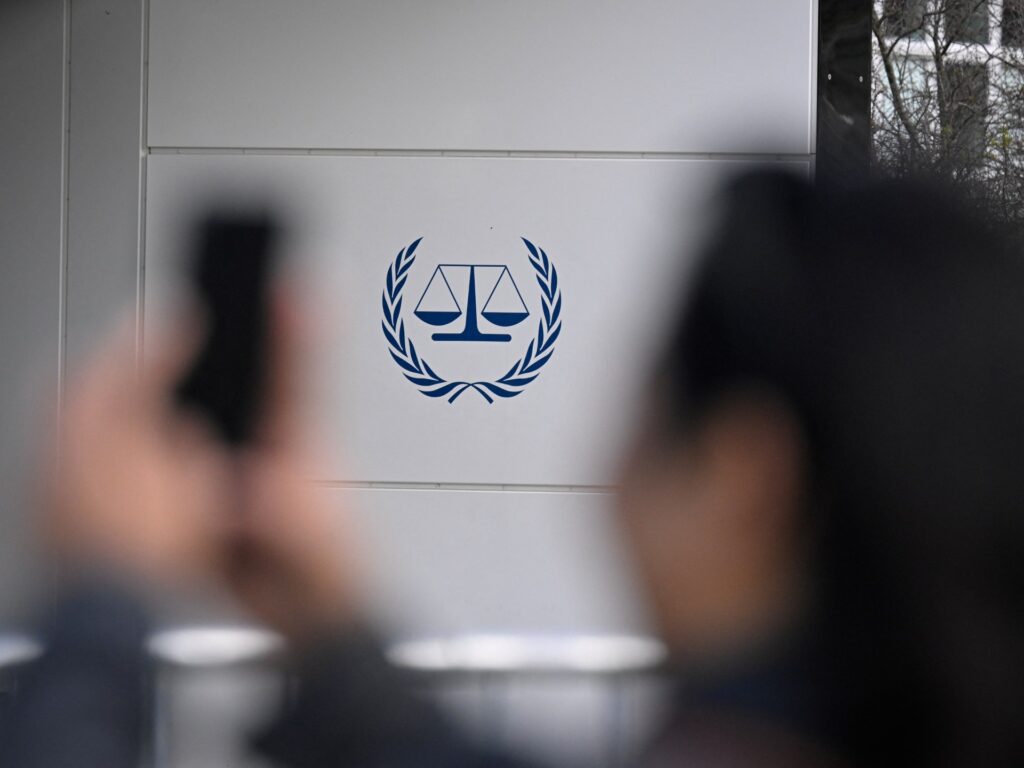
The International Criminal Court (ICC) oversight body has issued a strong warning to Chad and Venezuela, urging these nations to reconsider their decisions to withdraw from the ICC. This development comes at a time when the US is ramping up its campaign against the tribunal, raising significant concerns about the future of international justice.
The ICC, established to prosecute individuals for international crimes such as genocide, war crimes, and crimes against humanity, relies on the cooperation of its member states to function effectively. However, recent withdrawals by countries like Chad and Venezuela have sparked alarm among ICC officials and the international legal community.
The oversight body emphasized that such withdrawals threaten the global justice system, potentially undermining efforts to hold perpetrators of serious crimes accountable. Chad and Venezuela had cited various political and legal concerns as reasons for their decisions to leave the tribunal, but ICC representatives argue that withdrawing will not shield leaders from accountability.
This situation occurs amid increased pressure from the United States, which has historically expressed skepticism towards the ICC’s jurisdiction, especially concerning actions involving US personnel. The US campaign to limit the ICC’s influence includes diplomatic efforts to encourage non-cooperation and has led to tensions within the international legal framework.
Experts warn that the destabilization of the ICC’s authority could embolden perpetrators of international crimes, erode the rule of law globally, and weaken multilateral institutions designed to promote peace and justice. They argue that maintaining robust international cooperation with the ICC is essential to deter future atrocities.
Despite the challenges, the ICC continues to pursue investigations and prosecutes cases in several countries, aiming to provide justice for victims of some of the world’s gravest crimes. The call to Chad and Venezuela to reverse their withdrawals is part of a broader appeal to reinforce commitment to international justice mechanisms.
The ICC oversight body plans to engage with governments, regional organizations, and civil society to advocate for the importance of the tribunal and to counteract efforts that could undermine its effectiveness. The global community is watching closely as the future of the ICC hangs in the balance.
In conclusion, the withdrawals by Chad and Venezuela, coupled with the US’s opposition campaign, represent significant challenges for the ICC. The tribunal’s oversight body’s appeal highlights the urgent need for international solidarity to support justice and accountability on a global scale. The decisions these countries make in the coming months will likely shape the future landscape of international criminal justice.