Ebola virus disease continues to pose a significant public health challenge in the Democratic Republic of Congo (DRC), with reported cases surpassing 4,000. This alarming milestone has raised concerns among the global health community, particularly as the Bundibugyo epidemic—the world’s second-largest Ebola outbreak—is noted as the fastest-spreading on record.
The World Health Organization (WHO) has strongly urged for the initiation of clinical trials involving Ervebo, a vaccine developed to combat the Ebola virus. Ervebo has shown promise in previous outbreaks, and its trial during the ongoing crisis could play a vital role in curbing the epidemic’s spread and reducing fatality rates.
Since its emergence, the Bundibugyo epidemic has rapidly escalated, overwhelming local healthcare systems and challenging response teams. The disease’s transmission dynamics have complicated containment efforts, particularly in remote and conflict-affected areas where access to healthcare is limited.
The DRC’s Ministry of Health, in collaboration with international partners, has intensified efforts to enhance surveillance, contact tracing, and community engagement. However, the virus’s rapid dissemination, coupled with logistical hurdles, demands innovative and immediate approaches to outbreak management.
Ervebo vaccine trials, if successfully implemented, could provide critical data regarding the vaccine’s effectiveness and safety in real-time outbreak conditions. This could inform future strategies, not only for the current epidemic but for Ebola virus disease prevention and control worldwide.
Experts warn that without swift intervention and effective vaccination campaigns, the number of cases could rise further, risking the spread to neighboring countries and beyond, thereby escalating the global health threat.
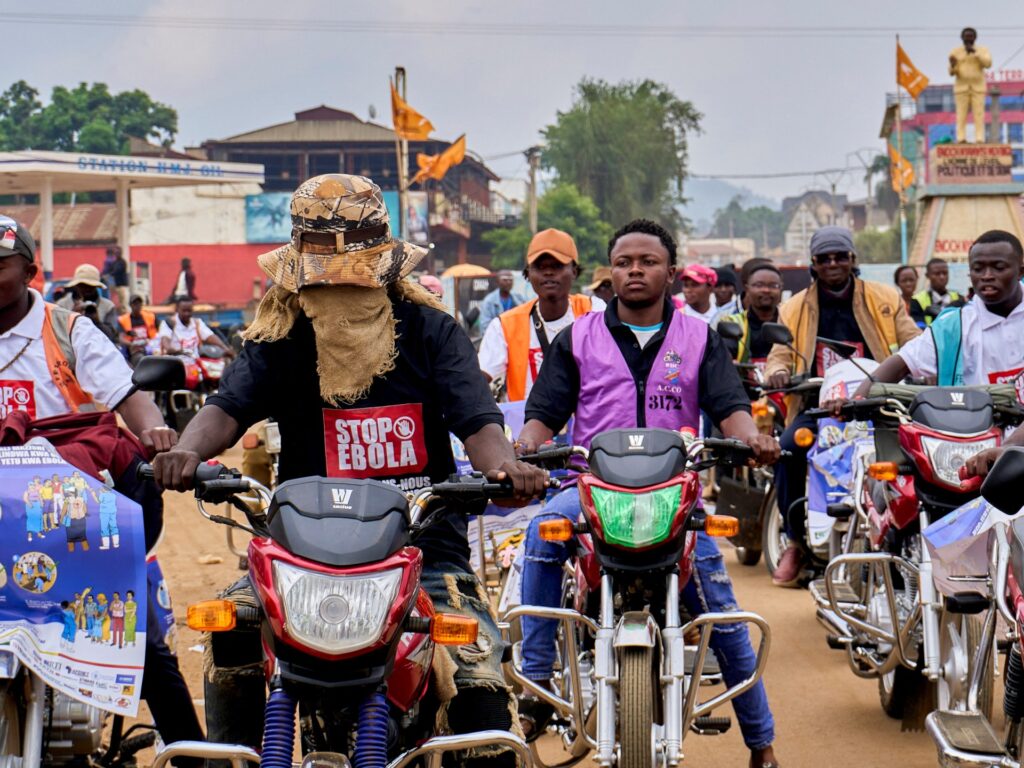
Community education and improved healthcare infrastructure remain key to controlling the epidemic alongside vaccination efforts. Public health messages are being disseminated to raise awareness about prevention methods, symptoms, and the importance of early treatment.
The challenge of tackling the Bundibugyo Ebola epidemic underscores the need for sustained international support and funding. Strengthening the DRC’s healthcare capacity is critical to managing the outbreak and preventing future epidemics.
As the situation evolves, WHO and other health agencies continue to monitor the epidemic closely, adapting response strategies to emerging data and circumstances. The deployment and trial of the Ervebo vaccine represent a hopeful advancement in the fight against this deadly virus.
The global community is called upon to support these efforts through research, resource allocation, and fostering collaboration to ultimately halt the spread of Ebola in the DRC and protect public health worldwide.