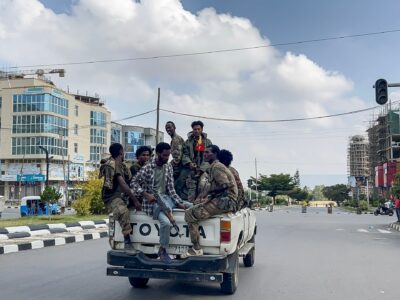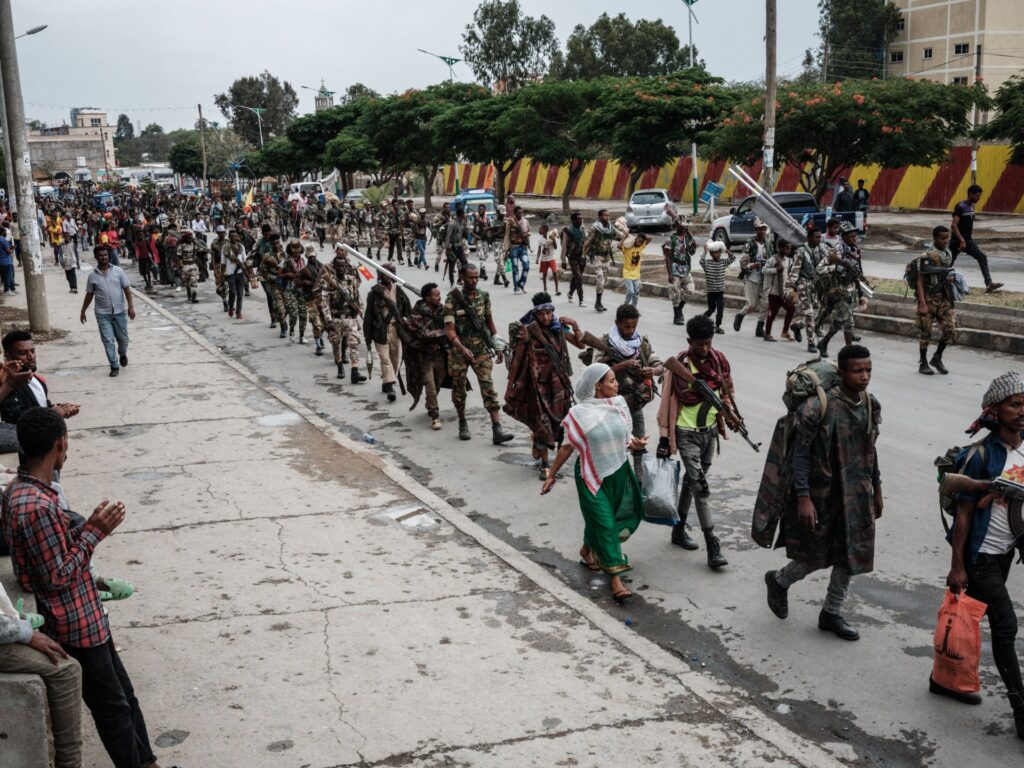
The conflict in Tigray, a region in northern Ethiopia, has once again plunged into violence, raising grave concerns about civilian safety and the consequences of failed accountability for past atrocities. Amnesty International has highlighted the alarming resurgence of fighting amidst a backdrop of impunity, emphasizing the severe toll on the local population.
The Tigray conflict has been marked by widespread reports of human rights violations, war crimes, and atrocities committed by various actors since hostilities began. Despite international calls for thorough investigations and justice, many perpetrators have not faced consequences, fostering a culture of impunity. Amnesty International warns that this failure to hold violators accountable has directly contributed to the vulnerability of civilians as violence rekindles.
Past abuses in Tigray included mass killings, sexual violence, forced displacement, and destruction of vital infrastructure. These actions devastated communities and shattered the social fabric, leaving deep psychological and physical scars on survivors. The lack of meaningful accountability mechanisms has allowed some of those responsible to evade justice, undermining trust in institutions designed to protect human rights.
As fighting reemerges, civilians bear the brunt of renewed violence. Access to basic services such as healthcare, food, and shelter becomes increasingly constrained, exacerbating humanitarian suffering. Amnesty International stresses that impunity not only emboldens perpetrators but also signals to affected populations that their suffering may be disregarded or repeated.
The international community faces mounting pressure to act decisively to break this cycle. Effective investigations, prosecutions, and reparations are critical components in delivering justice and deterring future violations. Without these measures, the risk of ongoing conflict and suffering remains high.
Furthermore, comprehensive accountability processes can contribute to reconciliation and long-term peace by addressing root causes and grievances. While political solutions are essential, justice initiatives ensure that survivors’ voices are heard and that perpetrators are held responsible.
Amnesty International calls on Ethiopian authorities and international partners to prioritize accountability in their response to the Tigray crisis. Failure to do so risks perpetuating violence, undermining regional stability, and prolonging the plight of civilians.
The situation in Tigray serves as a stark reminder of the critical importance of justice in conflict zones. Accountability is not merely a legal obligation but a vital pathway to healing and lasting peace. As fighting returns, the cost of failed accountability becomes tragically clear: the continued suffering of innocent people caught in the crossfire.