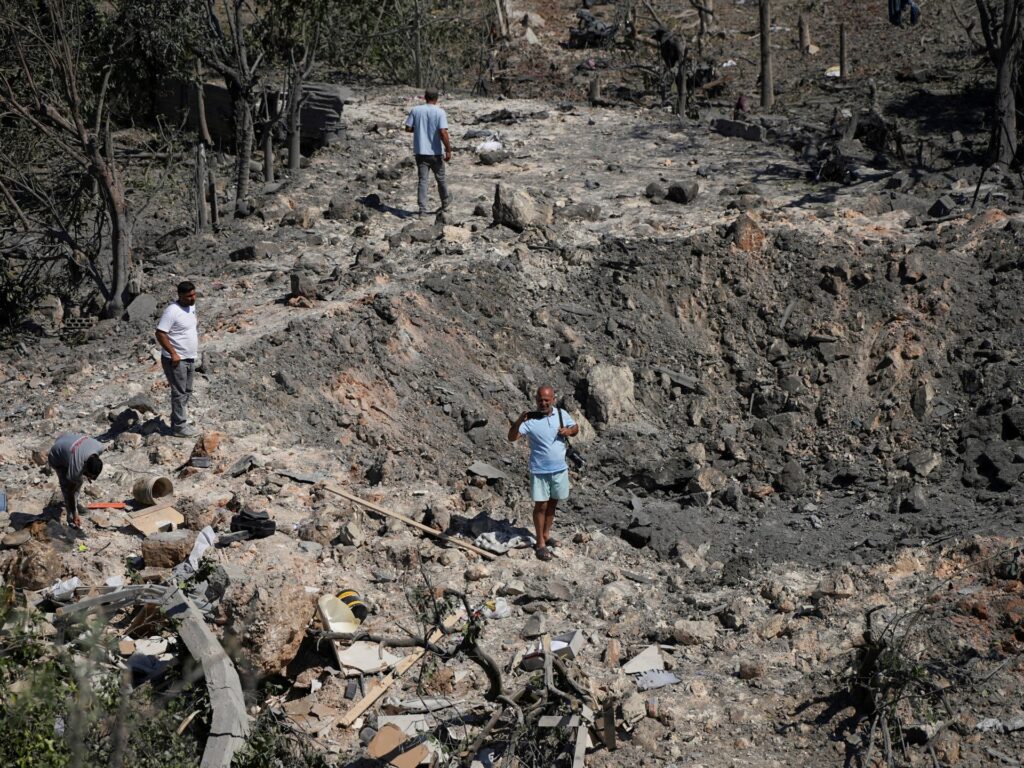
The recent escalation of Israeli airstrikes on South Lebanon has sparked widespread outrage and concern among the local population. Over the past weeks, residents of South Lebanon have witnessed a sharp increase in attacks, reviving memories of previous conflicts and raising questions about the security and stability of the region.
Israel’s renewed campaign comes amid heightened tensions, with military actions including targeted strikes followed by displacement orders demanding civilians leave certain areas for their safety. The sudden and forceful nature of these operations has left many residents feeling vulnerable and abandoned.
Local communities in South Lebanon are expressing frustration not only at the violence but also at what they perceive as the inadequate response from their own government. Many are questioning why national leaders have not taken stronger or more proactive measures to protect citizens from the ongoing Israeli military actions.
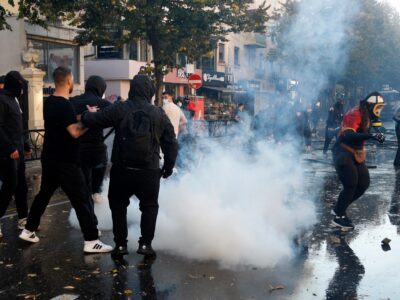
The phrase “No red line” has become a chant among protesters and in social media forums, symbolizing the perceived lack of limits or deterrents on Israeli military actions in the region. This sense of unchecked aggression has exacerbated a climate of fear and uncertainty.
Human rights organizations have also voiced concerns about the humanitarian impact of the strikes and displacement orders. The disruption has forced numerous families to seek shelter elsewhere, escalating the plight of displaced persons and increasing the demand for emergency aid.
International actors have been called upon to engage more actively to mediate the situation and ensure the protection of civilians. Diplomatic efforts are underway, yet local residents remain skeptical about the pace and effectiveness of these interventions.
The economic consequences add another layer of hardship as businesses suffer damage or closures due to the instability. In turn, this drives a cycle of hardship that affects education, healthcare, and social services in South Lebanon.
Residents have also criticized the media coverage of the conflict, arguing that their stories and experiences are underreported or overshadowed by geopolitical narratives. There is a growing call for more independent journalism to shed light on the human aspect of the conflict.
Despite the challenges, community solidarity has strengthened, with local groups mobilizing to provide support and advocate for peace and security. Civil society organizations continue to push for dialogue and reconciliation, hoping to break the cycle of violence.
As the strikes persist, the question of long-term solutions remains urgent. The people of South Lebanon insist on the need for respect for sovereignty, human rights, and an immediate halt to hostilities.
The current situation in South Lebanon is a testament to the complexities of regional conflicts and the pressing need for comprehensive and humane approaches to conflict resolution. Without decisive action, the cycle of violence is likely to continue, inflicting further suffering on innocent civilians.