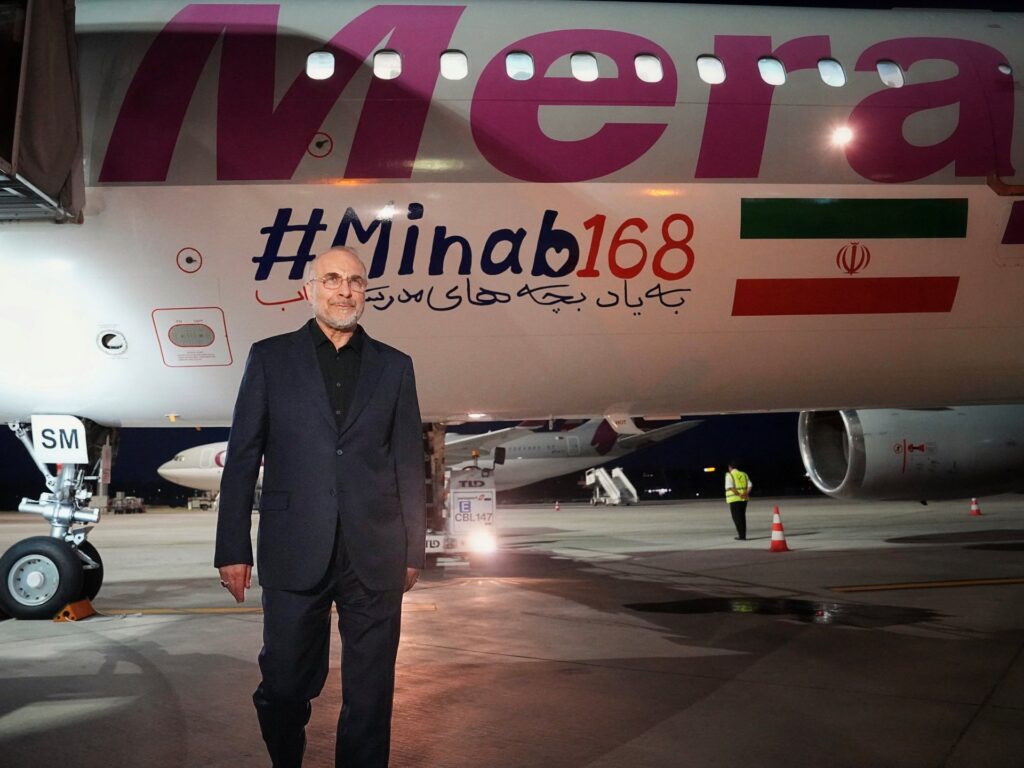
In a recent political confrontation, Iran’s Speaker of Parliament, Mohammad Bagher Ghalibaf, accused then U.S. President Donald Trump of engaging in repetitive “show diplomacy.” Ghalibaf criticized Trump’s approach, suggesting that the President’s diplomatic efforts are largely performative and lack substantial progress.
The accusation came at a time when Trump stated that he was actively involved in talks with Iran and expressed optimism that the war in the region would end “pretty soon.” Trump maintained that Iran’s capacity to withstand economic and political pressure is limited, asserting that the country cannot “go much longer” under the current strain.
Ghalibaf’s comments highlight ongoing tensions between Iran and the United States, reflecting skepticism among Iranian officials about the sincerity and effectiveness of the U.S. administration’s diplomatic overtures. This skepticism is further fueled by Trump’s mixed messages that combine diplomatic engagement with threats and economic sanctions.
The conflict between Iran and the U.S. has been marked by a complex mix of military confrontations, economic sanctions, and attempts at negotiation. Trump’s recent statements suggest a willingness to pursue talks to resolve disputes while simultaneously applying pressure on Iran to compel a change in behavior.
From Iran’s perspective, however, Ghalibaf’s critique underscores a distrust of U.S. intentions and a belief that the so-called negotiations are more about public posturing than genuine resolution. The term “show diplomacy on loop” implies a repetitive cycle of announcements and rhetoric without meaningful change.
The broader geopolitical context involves numerous challenges, including nuclear program concerns, regional influence, and security dynamics that complicate direct dialogue. Both sides have historical grievances and strategic interests that contribute to the stalemate.
Despite Trump’s assertion that the conflict could end soon, the reality remains complex, with multiple actors and interests at play. The international community watches closely as these developments unfold, hoping for a peaceful resolution but prepared for sustained tension.
In summary, the recent exchange between President Trump and Iran’s Ghalibaf encapsulates the difficult nature of U.S.-Iran relations. While Trump offers a message of imminent peace through talks, Ghalibaf counters with a warning that U.S. efforts are superficial and cyclical. This dynamic encapsulates the broader challenge of achieving lasting diplomacy in a charged and volatile environment.