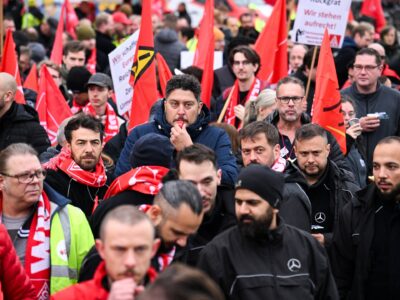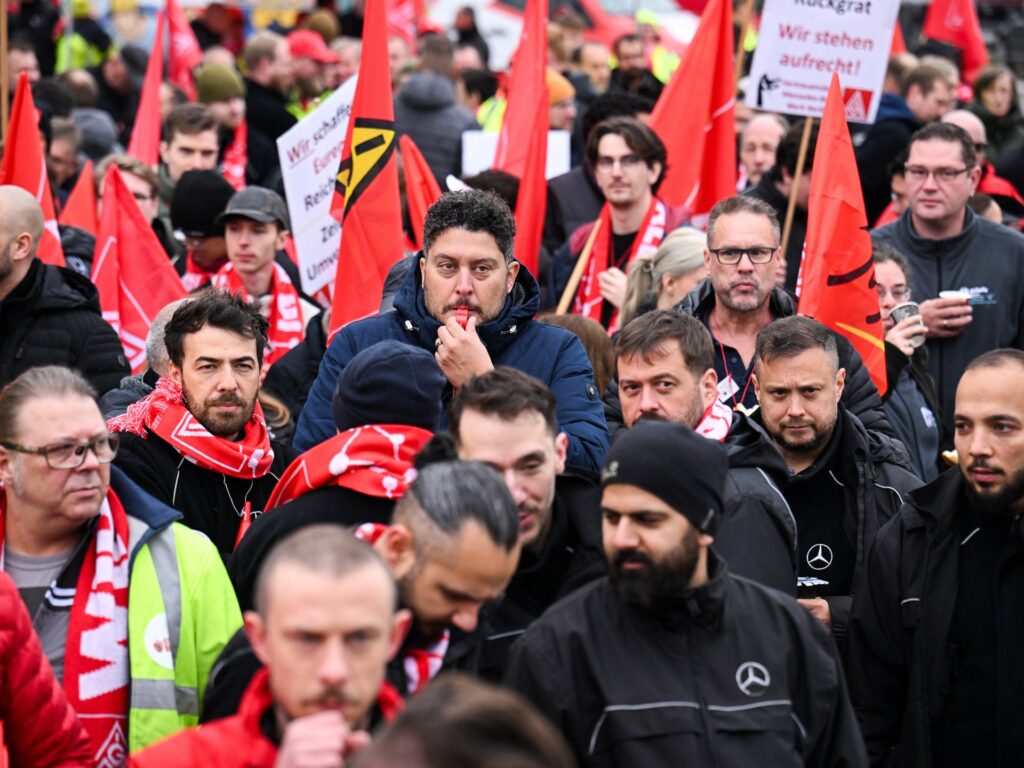
A major wave of strikes has erupted across Germany as unions intensify their industrial action in response to escalating cost-of-living pressures. This surge in labor unrest comes amidst a broader context of strikes and protests that have been sweeping through Europe, reflecting deep-rooted economic challenges faced by workers.
The German unions, representing a diverse range of industries including manufacturing, transport, and public services, have organized extensive strikes to demand better wages and improved working conditions. These strikes mark a significant escalation in their efforts to secure financial relief for workers struggling with rising inflation and living expenses.
Germany, Europe’s largest economy, has seen inflation rates rise sharply over recent months, driving up prices for essentials such as food, energy, and housing. Workers have reported growing difficulties in managing household budgets, prompting unions to pressure employers and policymakers to address these economic hardships.
The strikes have affected various sectors, resulting in disrupted transport services, delayed deliveries, and interruptions in public service operations. Airports, rail networks, and ports have experienced significant slowdowns, further amplifying the economic impact of the industrial actions.
Union leaders have emphasized that the strikes are not merely about wages but also about securing a fair share of the economic recovery and ensuring social justice. They have called on the government to intervene with policies that support workers, including measures to contain inflation and protect purchasing power.
This wave of strikes in Germany is part of a larger pattern of labor unrest across Europe, where workers in countries such as France, Italy, and Spain have also taken to the streets to protest against stagnating wages and the rising cost of living. The coordinated actions highlight widespread dissatisfaction with the pace of economic recovery and inequality.
Employers and government officials have expressed concern over the disruptions, calling for dialogue and negotiated settlements to resolve the disputes. Some have acknowledged the legitimacy of worker grievances but warn against prolonged strikes that could hamper economic growth and stability.
Economic experts suggest that the underlying issues driving the strikes stem from structural changes in the global economy, the lingering effects of the COVID-19 pandemic, and geopolitical tensions affecting energy supplies. These factors have combined to create a challenging environment for workers and businesses alike.
As the strikes continue, observers expect negotiations between union representatives, employers, and government officials to intensify. The outcomes of these talks will be crucial in shaping the future of labor relations in Germany and potentially across Europe.
The current wave of industrial action underscores the urgent need for comprehensive strategies to address economic inequalities and support the most vulnerable populations. Without effective interventions, social unrest and labor disputes may persist, posing risks to economic stability and social cohesion.
In conclusion, the German unions’ wave of strikes over cost-of-living pressures represents a critical juncture in the ongoing struggle for economic justice and workers’ rights. The actions reflect broader European trends and highlight the complex interplay of economic, social, and political factors influencing labor dynamics in today’s challenging environment.